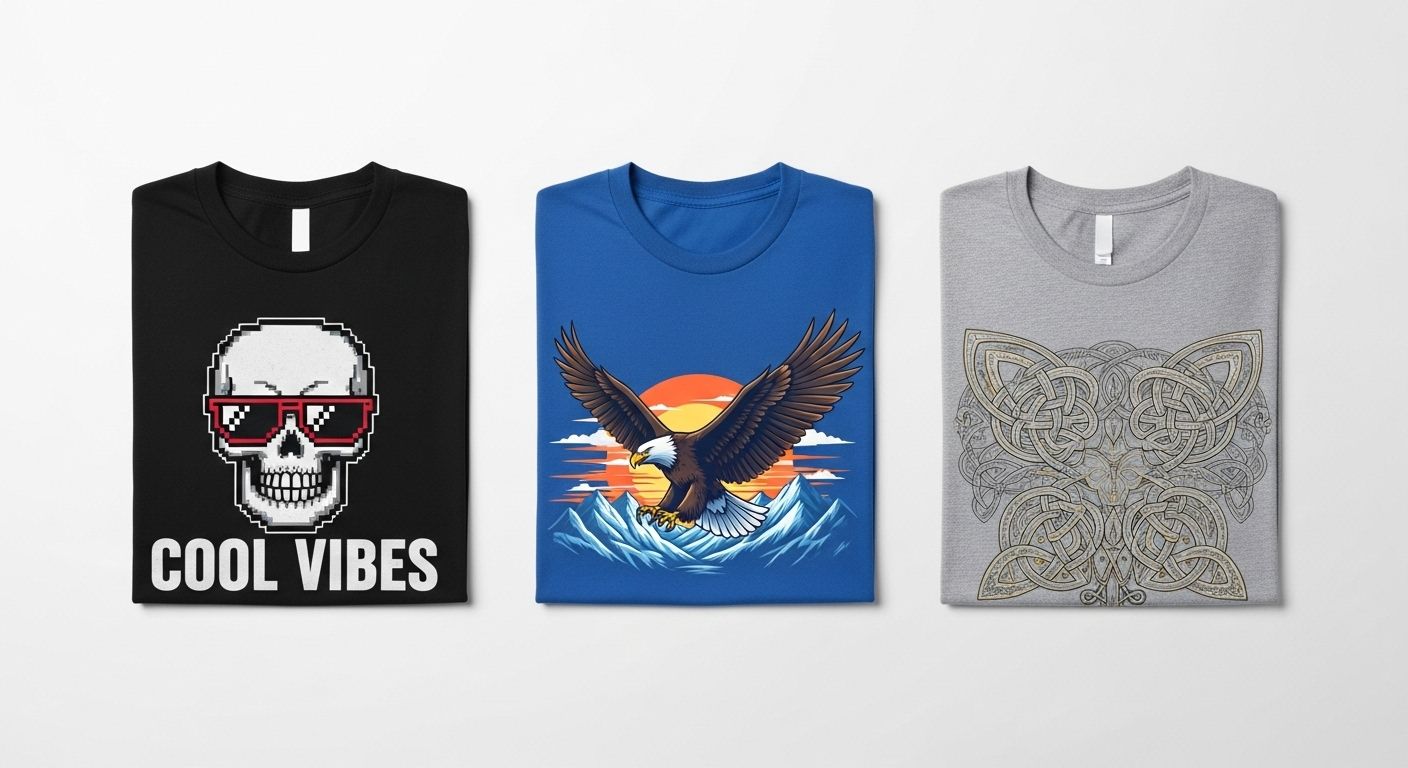
Personalized products + up to 33% off Activate offer now ➜

Content

How much to pay for a shirt design in 2026

Paying $50 for a t-shirt design is the most expensive mistake you can make. This might sound counterintuitive, especially for a new creator managing a tight budget. But consider this: a cheap, uninspired design that fails to connect with your audience and generates zero sales isn't a bargain; it’s a 100% loss of your time, marketing spend, and inventory cost. In contrast, a professionally commissioned, market-aware design that costs $500 but sells thousands of dollars in merchandise is an investment with an incredible return. The global custom t-shirt printing market is booming, valued at approximately USD 7.56 billion in 2024, and standing out requires more than just a clever slogan. This guide will reframe the conversation from "How much does a design cost?" to "What is the right design investment to achieve my business goals?"

Main takeaways

Here’s what you need to know about investing in a shirt design in 2026:

  • Prices vary widely: Expect to pay anywhere from $50 for a simple, text-based graphic to over $2,500 for a complex, illustrative piece from an expert designer.

  • Embrace value-based pricing: The right price depends on the design's value to your brand. A flagship design for a major collection is worth a larger investment than a one-off promotional tee.

  • The 'good, fast, cheap' rule applies: You can only ever have two. A high-quality design delivered quickly won't be cheap. Prioritize what matters most for your specific project.

  • A detailed brief is non-negotiable: A comprehensive design brief is the single best tool to save time, reduce revisions, and ensure the final product matches your vision.

  • Own your intellectual property: Your contract must explicitly state a full buyout of commercial rights. This protects your brand from future legal complications.

  • File formats are crucial: For high-quality printing with Gelato, you need a 300 DPI PNG with a transparent background. Always request the original vector source files (.AI or .EPS) from your designer.

  • Think beyond the graphic: You're not just buying a design; you are, as brand strategist Maria Rodriguez says, "commissioning a solution" that tells a story and connects with customers.

The 2026 landscape: Why your shirt design is more than just art

The global apparel market is projected to hit USD 1.95 trillion in 2025, a testament to an insatiable consumer appetite for fresh and unique clothing. Within this massive market, the real opportunity for creators lies in differentiation. Consumers are increasingly willing to pay a premium for products that tell a story, represent their identity, or signal belonging to a community.

This is where your design transforms from a simple graphic into a strategic business asset. A powerful design accomplishes several key objectives:

  • It captures attention: In a crowded social media feed or online marketplace, a visually striking design is what stops the scroll.

  • It communicates your brand: It instantly conveys your brand’s personality—be it edgy, minimalist, playful, or luxurious.

  • It creates an emotional connection: The best designs resonate with a target audience's values, humor, or aspirations, making the apparel feel personal.

For creators looking to build a sustainable brand, understanding this value is the first step. If you're just starting, consider reading a guide on turning your artwork into products to see how a single design can become the cornerstone of a whole product line.
How much to pay for a shirt design in 2026 - Second Image

Deconstructing the price tag: What are you actually paying for?

When you commission a design, the price reflects a combination of the designer's time, experience, complexity of the work, and the value of the usage rights. Let's break down the common pricing models.

Hourly rates: Paying for time and expertise

Many freelance designers charge by the hour. According to 2024 industry data, these rates typically fall into tiers based on experience:

  • Beginner (0-2 years): $25 - $50 per hour. Ideal for simple tasks, text-based designs, or if you have a very clear vision and a tight budget.

  • Intermediate (3-5 years): $50 - $100 per hour. This is the sweet spot for many creators, offering a balance of quality, experience, and cost for custom illustrations and more complex layouts.

  • Expert (5+ years): $100 - $150+ per hour. For high-stakes projects, brand-defining artwork, or complex illustrations, an expert delivers top-tier creative direction, technical skill, and market insight.

Per-project pricing: Paying for a defined outcome

Flat-rate project pricing is often preferred as it provides cost certainty. Based on 2026 creative agency guides, here’s what you can expect:

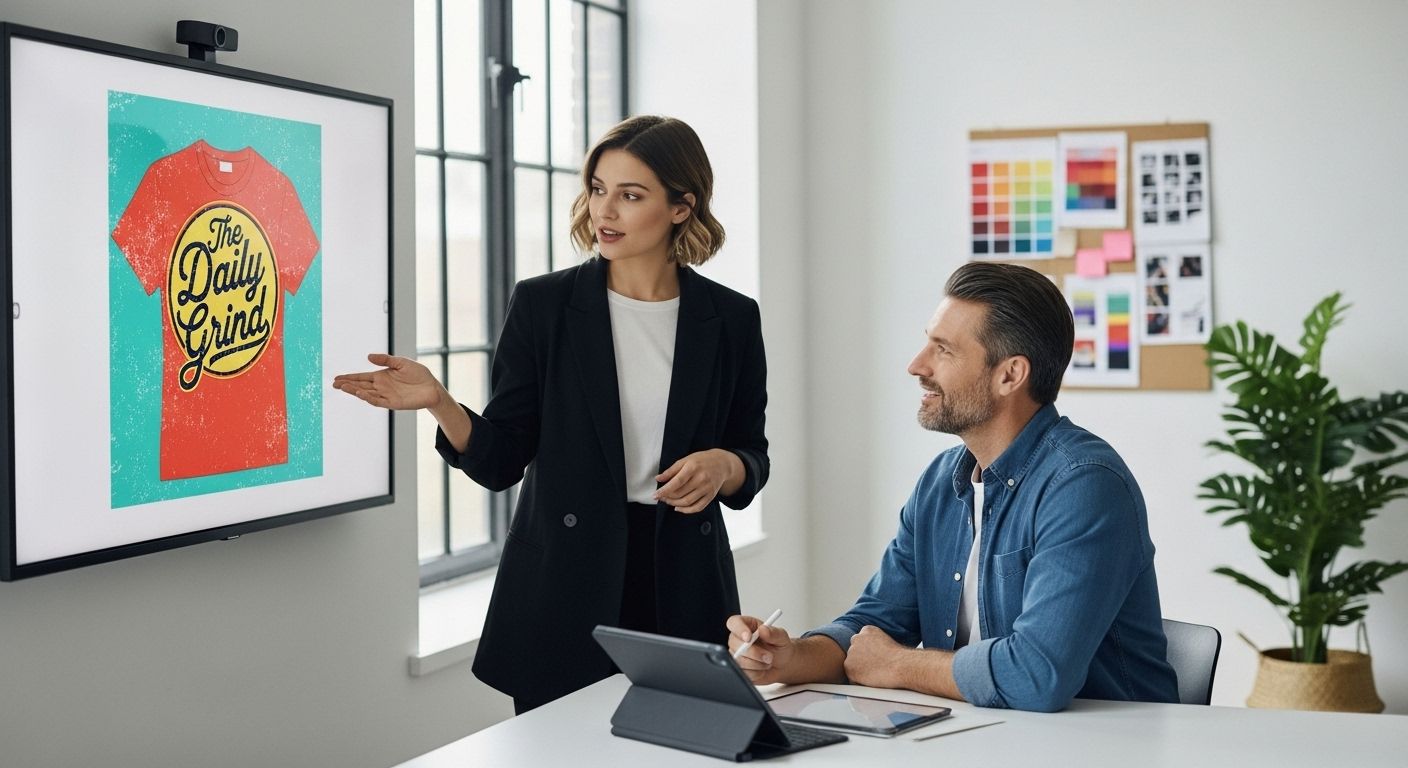
  • Simple design ($50 - $250): This typically covers text-only designs, simple logo placements, or minor graphic compositions. Example: A local coffee shop, "The Daily Grind," wants a shirt for its 5th anniversary featuring its name and the date in a stylish, retro font.

  • Moderate design ($250 - $800): This range is for custom illustrations, moderately complex graphics, or designs that require more creative concepting. Example: A touring indie band needs a unique, single-color illustration for their main merchandise—a design that will look great on custom men's t-shirts.

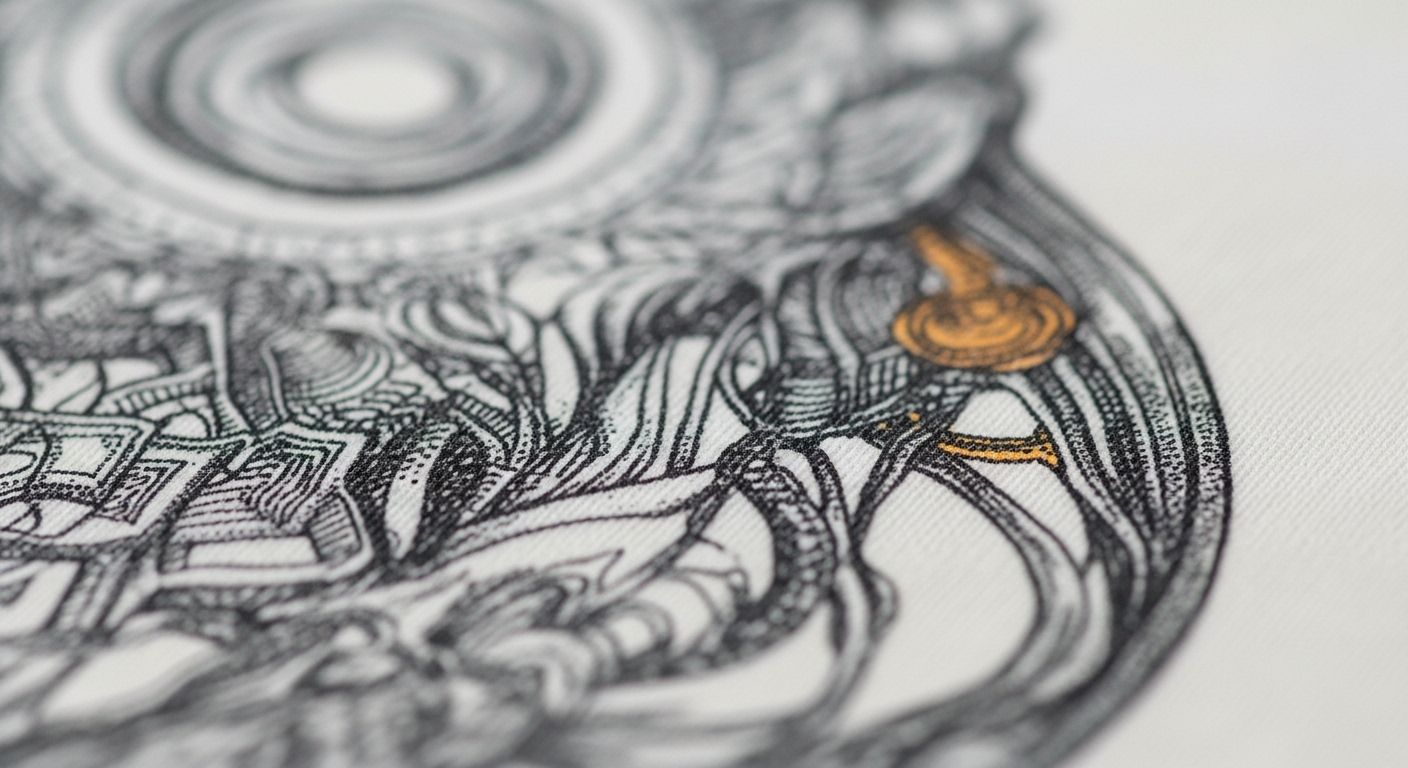
  • Complex design ($800 - $2,500+): This investment is for highly detailed, multi-color illustrations, all-over prints, or artwork for a flagship product line. Example: A streetwear brand is launching a limited-edition drop and needs a sophisticated, multi-faceted design for their premium quality clothing that tells a rich story.

The hidden costs: Usage rights and revisions

The initial quote is just one part of the equation. A design's cost is deeply connected to its intended use. Always ensure your contract includes a full buyout for unlimited commercial use. Without this, you may technically only have a license to use the design for a limited run. Furthermore, be clear about the number of included revisions. "Scope creep," where small changes slowly expand the project, is a common issue that can drive up costs. Understanding the full cost of starting a dropshipping business includes factoring in these professional services correctly.

How much to pay for a shirt design in 2026 - Third Image

The 'good, fast, cheap' principle: Setting your design priorities

In project management, there's an iron triangle: you can have your design done well, quickly, or cheaply, but you can only pick two. Applying this to commissioning a shirt design helps you align your budget with your priorities.

Investing in 'good + fast': The premium launch

You have a time-sensitive opportunity, like a collaboration or a limited-edition holiday drop. You need a top-tier design, and you need it now. This scenario requires a seasoned professional who can deliver quality under pressure. Expect to pay a premium hourly rate or a rush fee on a project. This approach is perfect for launching high-impact items like custom printed men's hoodies that capitalize on a specific trend or event.

Opting for 'good + cheap': The planned collection

Your priority is exceptional quality, but your timeline is flexible. This allows you to work with a talented up-and-coming designer who may have lower rates but a longer turnaround time. You save money without sacrificing artistic vision, making it an excellent strategy for building out a core collection over several months.

The risk of 'fast + cheap': The promotional giveaway

You need a simple design for a promotional event tomorrow, and the budget is minimal. Tools like Canva can be a viable option for creating something basic yourself. However, for anything you plan to sell, this approach is risky. It often leads to generic designs that lack brand identity and may even run into unforeseen copyright issues.

How much to pay for a shirt design in 2026 - Fourth Image

A step-by-step guide to commissioning a high-ROI design

Investing wisely means following a structured process. Here’s how to ensure you get a design that drives sales.

1. Define your budget & vision: Before contacting anyone, determine your price range based on the models above. Create a private mood board with 5-10 images that capture the style, colors, and overall feeling you're aiming for.

2. Find the right designer: Go beyond basic freelance sites. Use professional creative marketplaces like Behance and Dribbble to find artists whose portfolios align with your aesthetic. Look specifically for their experience with apparel design.

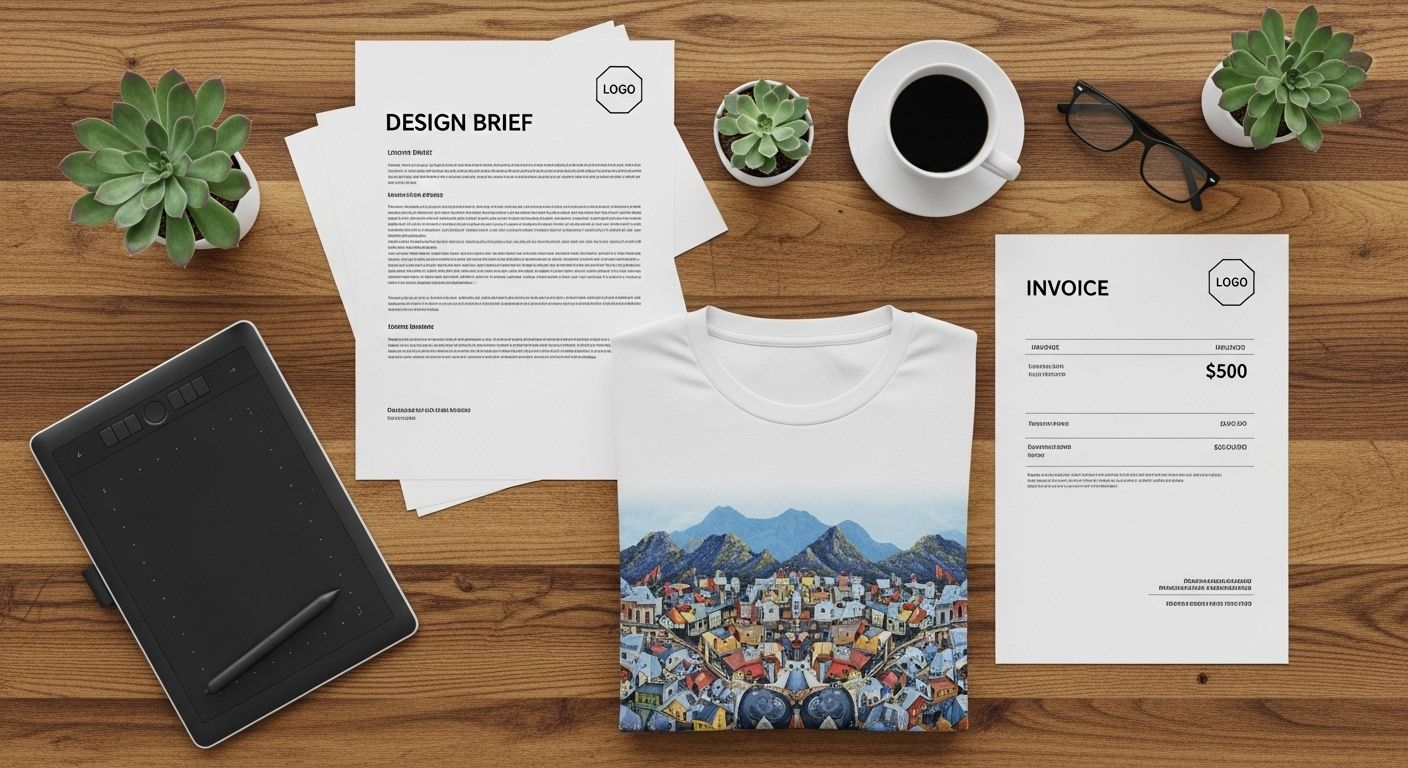
3. Write and submit your design brief: This is your project's blueprint. A strong brief includes your target audience, brand values, design inspiration, color palette, required file formats (e.g., 300 DPI PNG for printing), and typography preferences.

4. Sign a contract: A professional agreement protects everyone. It must detail the total cost, payment schedule, deliverables, number of revisions, timeline, and, most importantly, the full transfer of commercial rights. This step is critical if you are building a business and need a guide on how to make merch for a profit.

5. Manage the feedback process: Provide consolidated, specific, and constructive feedback. Instead of "make it cooler," try "let's try the alternate font we discussed for the tagline and shift the main graphic 2 inches higher." The designer will likely use professional tools like Adobe Creative Cloud to create the final files, so ensure you receive both print-ready and source files.

How much to pay for a shirt design in 2026 - Fifth Image

Looking ahead: Trends shaping design costs and value in 2026

The apparel world is constantly evolving. Staying ahead of these trends can give your brand a significant edge.

  • Hyper-niche & community-driven designs: The era of one-size-fits-all is over. In 2026, the most successful designs will target specific subcultures—from vintage video game enthusiasts to urban gardeners. Creating designs that feel like an inside joke or a badge of honor for a niche community fosters intense loyalty and justifies a higher price point for products like eco-friendly organic shirts that align with community values.

  • Authenticity and storytelling: Today's consumers don't just buy a product; they buy into a story. A design that reflects your brand’s mission, a unique artistic process, or a commitment to sustainability resonates far more deeply. This narrative value allows you to price your products based on perceived worth, not just production cost.

  • AI-assisted creativity: AI tools are becoming powerful assistants for designers, helping with everything from brainstorming concepts to generating patterns. While AI can accelerate the process, it can't replace a skilled designer's taste, strategic thinking, and ability to create a truly original and emotionally resonant piece.

Start your own business with Gelato. Sign up for free today

mobile hero

Frequently asked questions

1. How much should a beginner pay for a shirt design?

A beginner with a limited budget should aim for the $50 - $250 range. This is enough to hire a new-but-talented designer for a simple graphic or text-based design or use user-friendly tools to create something yourself. The key is to keep the concept simple and well-executed.

2. What's the difference between commercial and personal use rights?

Personal use means you can print a shirt for yourself or a friend, but you cannot sell it. Commercial use rights grant you the legal permission to use the design on products for sale and in marketing materials. For any ecommerce venture, you must secure full, exclusive commercial rights in your contract.

3. Do I need a vector file (.AI, .EPS) for my shirt design?

Absolutely. A vector file is created with mathematical equations, meaning it can be scaled to any size—from a small chest logo to a billboard—without losing quality. While you'll use a high-resolution PNG file for printing with Gelato, the vector file is the master source that allows for future flexibility.

4. How many revisions are standard for a t-shirt design project?

Most designers include two to three rounds of revisions in their project fee. The first round is for major conceptual changes, while the subsequent rounds are for smaller tweaks to color, placement, and typography. Any revisions beyond the agreed-upon number will likely incur additional charges.

5. Can I use a design from Canva to sell shirts?

Yes, you can use Canva for commercial purposes, provided you use their free elements, your own uploaded graphics, or have the appropriate license for their Pro elements. However, be aware that many Canva elements are used by thousands of others, so creating a truly unique and defensible brand identity can be challenging.

6. Is it better to pay hourly or a flat rate for a design?

A flat rate is generally better for creators, as it provides cost certainty and focuses the engagement on the final result, not the hours spent. Hourly rates can be suitable for ongoing work or projects with an undefined scope, but they carry the risk of going over budget.

From design investment to global sales

Ultimately, the right price for a shirt design is the one that equips your brand with a powerful, sales-generating asset. By shifting your mindset from cost to investment, preparing a thorough brief, and understanding the market, you can commission a design that not only looks great but also becomes a cornerstone of your success. A brilliant design deserves brilliant execution. Once you have your print-ready files, you can bring your vision to life on a global scale.

Ready to turn your investment into a best-selling product? With Gelato, you can upload your design and sell premium custom men's t-shirts through your Shopify store or other ecommerce platforms, with production on demand in 32 countries.

Share:

Next steps

Bring your best-selling shirt design to life with Gelato