Gelato+ exklusivt: 20 % rabatt + fraktfritt på premiumkläder ➜ Aktivera nu

Content

Expandera till nya marknader: En guide för skapare 2025

In 2024, a staggering 22% of all online sales of physical goods were cross-border purchases. According to the International Post Corporation (IPC), this trend is set to accelerate in 2025 as businesses and consumers alike embrace a truly global marketplace. This isn't a phenomenon reserved for corporate giants anymore. Thanks to advancements in technology and logistics, the age of the "micro-multinational" has arrived. Small and medium-sized ecommerce businesses, creators, and entrepreneurs now have the power to reach customers in every corner of the world. Expanding into new markets is no longer a distant dream; it's the next strategic step for ambitious brands. This guide will provide a comprehensive, data-backed roadmap for transforming your local success story into a global brand, showing you how to navigate the challenges and seize the immense opportunities of international growth.

Main takeaways

Here’s a snapshot of what you need to know about expanding into new markets in 2025:

  • The opportunity is massive: The global ecommerce market is projected to hit $7.41 trillion by 2025, with cross-border sales forming an increasingly significant slice of the pie.

  • Go glocal, not just global: A "glocal" approach is key. As demonstrated by brands like Airbnb and Spotify, success hinges on maintaining a consistent global brand identity while adapting marketing, products, and payments to local cultural nuances.

  • Data is your compass: Use frameworks like PESTLE analysis and AI-powered market intelligence to make informed decisions. Dr. Elena Petrov of INSEAD notes, "the key... is about data-driven empathy."

  • Logistics are no longer a barrier: Modern solutions allow you to produce goods locally in your target markets. This strategy bypasses complex customs, reduces shipping costs and times, and lowers your carbon footprint—a crucial factor for the 67% of consumers who prefer sustainable brands.

  • Start with a beachhead market: Don’t try to conquer the world at once. As Richard Branson advises, "Your first international market is your most important classroom." Test, learn, and iterate before a wider rollout.

  • Technology is your accelerator: Platforms like Shopify and tools like headless commerce architecture make it easier than ever to create localized shopping experiences without overhauling your entire tech stack.

The global ecommerce landscape in 2025

The call to expand internationally is louder than ever. Fueled by a projected 3.3% growth in global trade and a stable macroeconomic backdrop predicted by the IMF, the conditions are ripe for growth. For ecommerce creators, this isn't just about finding more customers; it's about building a more resilient, diversified business.

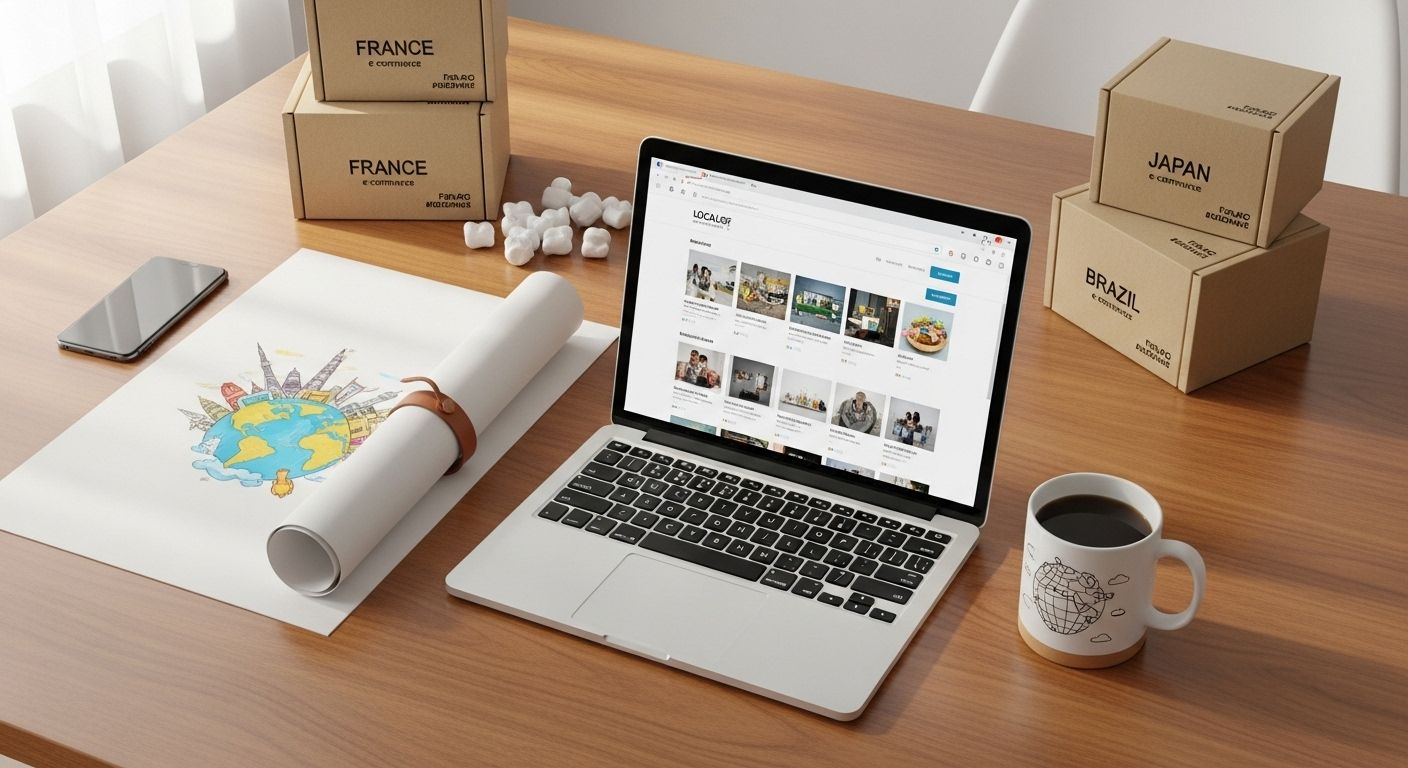
Consumer behavior is the driving force. In 2024, a remarkable 58% of global consumers made a purchase from a business outside their own country, seeking better prices and unique products they couldn't find at home. This global appetite creates a direct pathway for brands offering unique designs and products. Whether you're selling apparel, art, or accessories, there is a global audience actively looking for what you create. For a deeper dive into specific regions, you can learn about the best countries to expand your business into to pinpoint your next move.

Expanding into new markets: A 2025 guide for creators - Second Image

Step 1: Strategic market research and selection

Before you can sell, you must understand. Expanding into new markets successfully starts with a meticulous research phase to identify where your products will resonate most.

Using frameworks for smart decisions

Don't leave your most critical decision to guesswork. Proven strategic frameworks can bring clarity to complexity:

  • PESTLE analysis: This is your essential market-entry checklist. It prompts you to analyze the Political, Economic, Social, Technological, Legal, and Environmental factors of a potential country. For example, a stable political climate, growing economy, and high internet penetration in Southeast Asia make it an attractive region for ecommerce expansion.

  • Ansoff matrix: This tool helps you visualize your growth strategy. When you take your existing products to a new country, you're operating in the 'market development' quadrant—a strategy focused on finding new audiences for what you already do well.

Identifying high-potential regions

While every product has its unique audience, current trends point to significant opportunities in specific regions:

  • Southeast Asia: With a booming, mobile-first digital economy expected to surpass $230 billion by 2026, this region is a hotspot. Social commerce is dominant, so a strong Instagram or TikTok presence is a major advantage.

  • Latin America: Ecommerce adoption continues to soar, led by Brazil and Mexico. Consumers here have a high demand for international goods, creating an opening for brands that can offer quality and novelty.

Step 2: The 'glocal' approach to localization

Localization is more than just translation; it's about cultural adaptation. This is where you transform your brand from a foreign entity into a familiar presence.

Adapting your brand and products

Expanding into new markets: A 2025 guide for creators - Third Image

Your goal is to make your brand feel native. This involves:

  • Language and imagery: Use professional or AI-assisted translation services that understand local dialects and slang. Your product photos and marketing visuals should reflect the people and aesthetics of the target market. A tool like **Canva** is perfect for quickly creating localized social media assets.

  • Pricing and currency: Display prices in the local currency. Research the local market to ensure your pricing is competitive and culturally appropriate.

  • Product assortment: What sells well in New York might not in Tokyo. Consider starting with a limited range of your bestsellers, like globally popular custom hoodies, before expanding your catalog.

Mastering local marketing and payments

How you reach and convert customers will vary dramatically by region.

  • Marketing channels: In many Asian markets, social commerce and influencer marketing are far more effective than email or search ads. Run targeted campaigns using tools like Google Ads to reach specific demographics in your new market. You may also need localized business and marketing materials for any in-person events.

  • Payment methods: This is a critical conversion factor. While credit cards are common in North America, digital wallets, bank transfers, and 'buy now, pay later' (BNPL) services dominate in other regions. Integrating with a payment processor that offers these local options is non-negotiable.

Step 3: Solving the logistics puzzle with local production

Historically, logistics have been the biggest headache for international expansion—complex customs, high shipping fees, and long delivery times. But the game has changed.

The power of a global production network

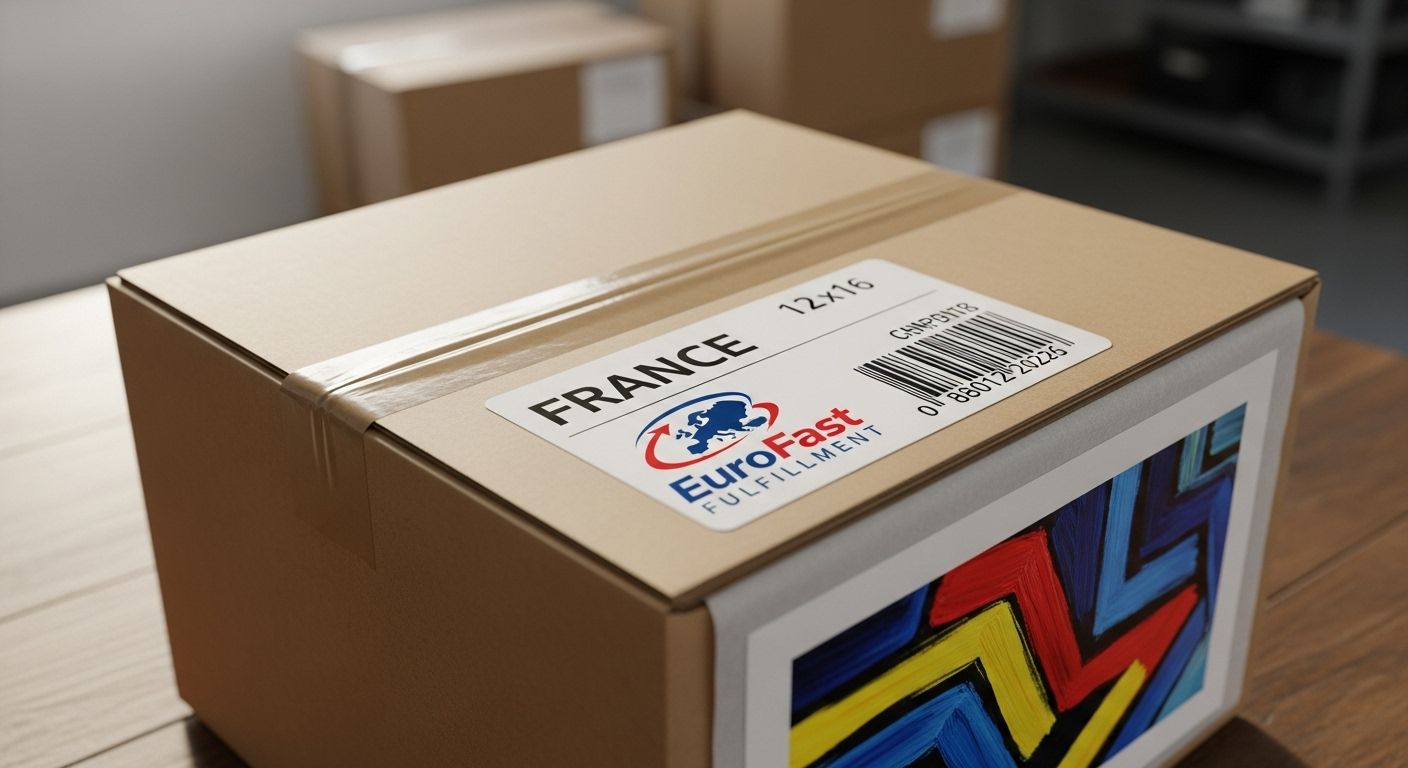
The solution is to stop shipping products across oceans and start producing them where your customers live. This is the core of Gelato's model. By connecting to a global network of production partners, you can fulfill orders in over 32 countries.

Let’s imagine Vivid Canvas Co., a fictional ecommerce store selling art prints. When they decide to expand into Europe, they don't ship posters from their US base. Instead, when a customer in Germany places an order, the design is automatically sent to a production partner in Germany. The locally-produced custom posters are printed and shipped from there.

Expanding into new markets: A 2025 guide for creators - Fourth Image

The benefits are immediate:

  • Reduced shipping costs: Domestic shipping is always cheaper than international.

  • Faster delivery: Customers receive their orders in days, not weeks.

  • No customs hassles: The product never crosses a border, eliminating paperwork and import duties.

  • Enhanced sustainability: Drastically cutting shipping distances reduces the carbon footprint of each order.

This approach is central to the ultimate guide to global sourcing and empowers even the smallest creator to build a robust, efficient, and eco-friendly global supply chain.

Step 4: Your go-to-market launch plan

With your research, localization, and logistics in place, it's time to launch. A phased approach minimizes risk and maximizes learning.

Expanding into new markets: A 2025 guide for creators - Fifth Image

Before a full-scale marketing blitz, conduct a soft launch. This involves quietly making your site live for the new market and running a small, targeted ad campaign. The goal is to test your entire process:

  • Is the website functioning correctly?

  • Are local payment methods working?

  • Is the production and shipping process smooth?

  • Is initial customer feedback positive?

Use Google Analytics to closely monitor user behavior and conversion rates during this phase.

Scaling up

Once you've ironed out any kinks, you can launch your full marketing campaign. This could involve collaborating with local influencers, running larger ad campaigns, and promoting your brand more broadly. Remember to offer excellent support; review these tips for successful international customer service to ensure your new customers feel valued. If you plan on attending international trade shows to promote your brand, having professional roll-up banners for trade shows ready is a great way to make a strong first impression.

Start your own business with Gelato. Sign up for free today

mobile hero

Frequently asked questions about expanding into new markets

1. What is the biggest mistake businesses make when expanding internationally?

The most common mistake is assuming a one-size-fits-all approach will work. Businesses often fail to properly localize their marketing, products, and customer experience, leading to low engagement and sales. Cultural and language barriers can be significant, so investing in true localization is crucial.

2. How do I choose the right first market to expand into?

Start with data. Look at your existing website analytics and social media to see where your international traffic is already coming from. Combine this with PESTLE analysis to evaluate market size, competition, and logistical feasibility. Choose a "beachhead" market that has clear demand and is relatively easy to enter.

3. How can I handle international taxes and compliance?

This is a complex area. You need to research VAT (Value Added Tax) or GST (Goods and Services Tax) in your target countries, as well as import regulations and data privacy laws like GDPR. It is highly recommended to consult with a legal or financial expert specializing in international ecommerce.

4. What's the most cost-effective way to manage international shipping?

The most cost-effective and efficient method is to avoid cross-border shipping altogether by using a production on demand partner like Gelato. Producing items locally in the country of your end customer eliminates customs fees and dramatically reduces shipping costs and delivery times. For platform-specific advice, explore guides on how to sell globally with WooCommerce.

5. How do I manage customer service across different time zones?

Start by creating a comprehensive FAQ page that addresses common international questions about shipping, sizing, and payments. For direct support, consider using a chatbot for 24/7 assistance with basic queries and hiring freelance customer service agents in key regions as you scale.

6. What products are best for testing a new market?

Low-risk, high-appeal products are ideal. Items with universal appeal and simple logistics, like apparel or drinkware, are great starting points. You can easily offer custom mugs to test new markets with localized designs to gauge interest without a massive inventory investment.

7. How much does it cost to expand into a new market?

Costs can vary widely, from a few hundred dollars for a soft launch to tens of thousands for a major campaign. The biggest expenses are typically marketing, localization services (translation, design), and legal compliance. Using a production on demand model significantly reduces upfront costs by eliminating the need for international warehousing and inventory.

Your global journey starts now

Expanding into new markets is one of the most powerful growth levers available to an ecommerce brand in 2025. By combining data-driven strategy with deep cultural empathy and smart logistics, you can transform your business into a resilient, globally recognized "micro-multinational." The barriers that once protected legacy brands are crumbling, creating unprecedented opportunities for agile creators and entrepreneurs.

With Gelato, the operational complexity of global expansion disappears. Our platform connects you to local production partners around the world, allowing you to sell globally but produce locally. You can focus on what you do best—creating amazing products and building your brand—while we handle the sustainable, on-demand production and fulfillment.

Ready to take the first step? Start by exploring how you can use products like custom mugs to test new markets and build your international presence, one happy customer at a time.

Share:

Next steps

Start selling globally with Gelato's local production network