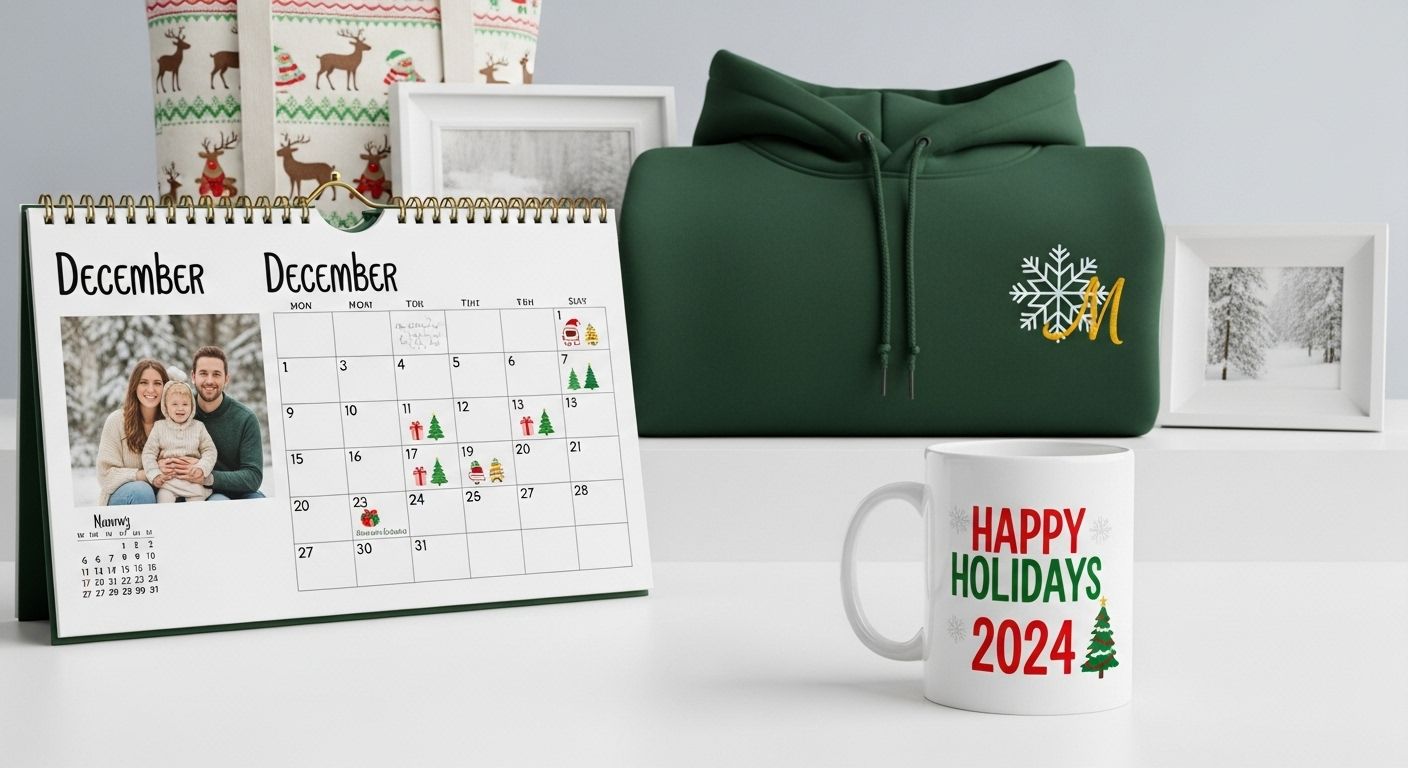
A late 2026 consumer survey revealed a game-changing insight: 45% of shoppers stated they were more likely to buy from brands offering personalized products. This finding from McKinsey & Company signals a profound shift in consumer behavior. The era of the endless, overwhelming product catalog is fading. Today’s shoppers aren't just looking for things; they're searching for connection, thoughtfulness, and value. For ecommerce creators, this isn't a challenge—it's a massive opportunity. By moving away from a "more is more" mentality and embracing the art of curation, you can create a holiday gift collection that not only resonates deeply with your audience but also drives significant sales. This guide will walk you through the anti-catalog strategy, leveraging key data and trends to help you build your most successful holiday collection yet.
Main takeaways
Here’s a snapshot of what you need to know to build a powerful holiday gift collection for 2026:
Curation over volume: Tightly themed collections (e.g., "the cozy homebody") outperform vast, generic catalogs by simplifying the shopping experience and increasing perceived value.
Personalization is paramount: Consumers are actively seeking unique, personalized items. Products that can be customized with photos, names, or special dates are no longer a niche but a core expectation.
Early engagement wins: Launch your holiday campaigns in late October with content-rich gift guides and interactive quizzes to build an engaged audience before the Black Friday rush.
Authenticity is your currency: Share the stories behind your designs and products. As retail futurist Kiana Pires notes, "Brands that feature real customer stories and showcase the makers behind the products will win their trust and their holiday budget."
Embrace 'micro-gifting': Offer a range of high-quality, thoughtful gifts at accessible price points (under $30) to capture the growing trend of gifting to a wider circle of people.
Sustainability sells: Highlight your commitment to eco-conscious practices. Gelato’s local, on-demand production model is a powerful selling point that reduces waste and carbon emissions.