


Hva er giclée-trykk? En guide til prints i museumskvalitet
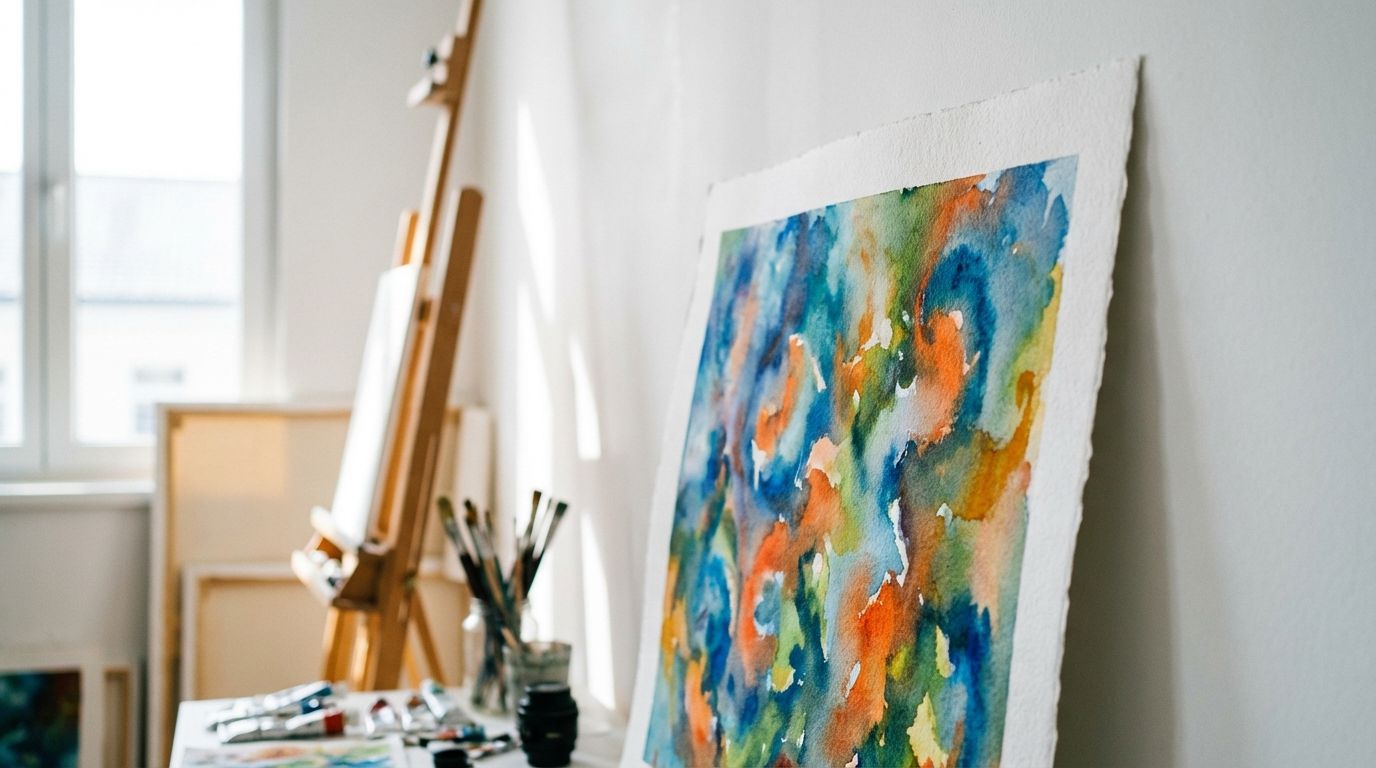
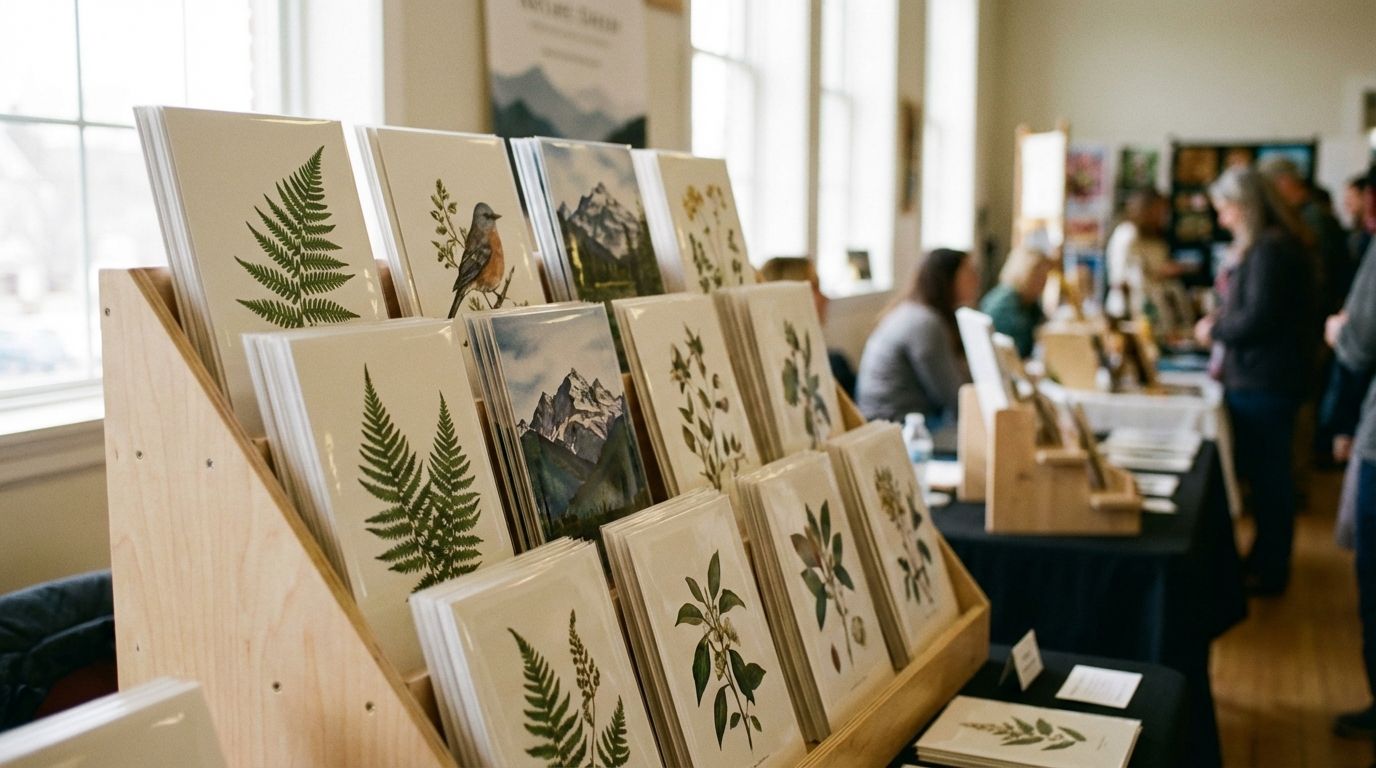
Spring art fairs are just around the corner, and your studio is filled with new work. As you prepare for the season, one question becomes critical: how do you reproduce your art in a way that honors the original? The answer for professional artists around the world is giclee printing.
This guide will walk you through everything you need to know about creating stunning, museum-quality prints that your collectors will treasure for a lifetime.
Quick takeaways
Giclee printing is a high-end digital printing process that uses specialized inkjet printers, archival pigment-based inks, and acid-free papers.
The goal of giclee is to create a reproduction with exceptional color accuracy, detail, and longevity, often lasting over 100 years without fading.
This method is the gold standard for artists and photographers who want to sell professional-grade prints in galleries, online, or at art fairs.
What does giclee actually mean?
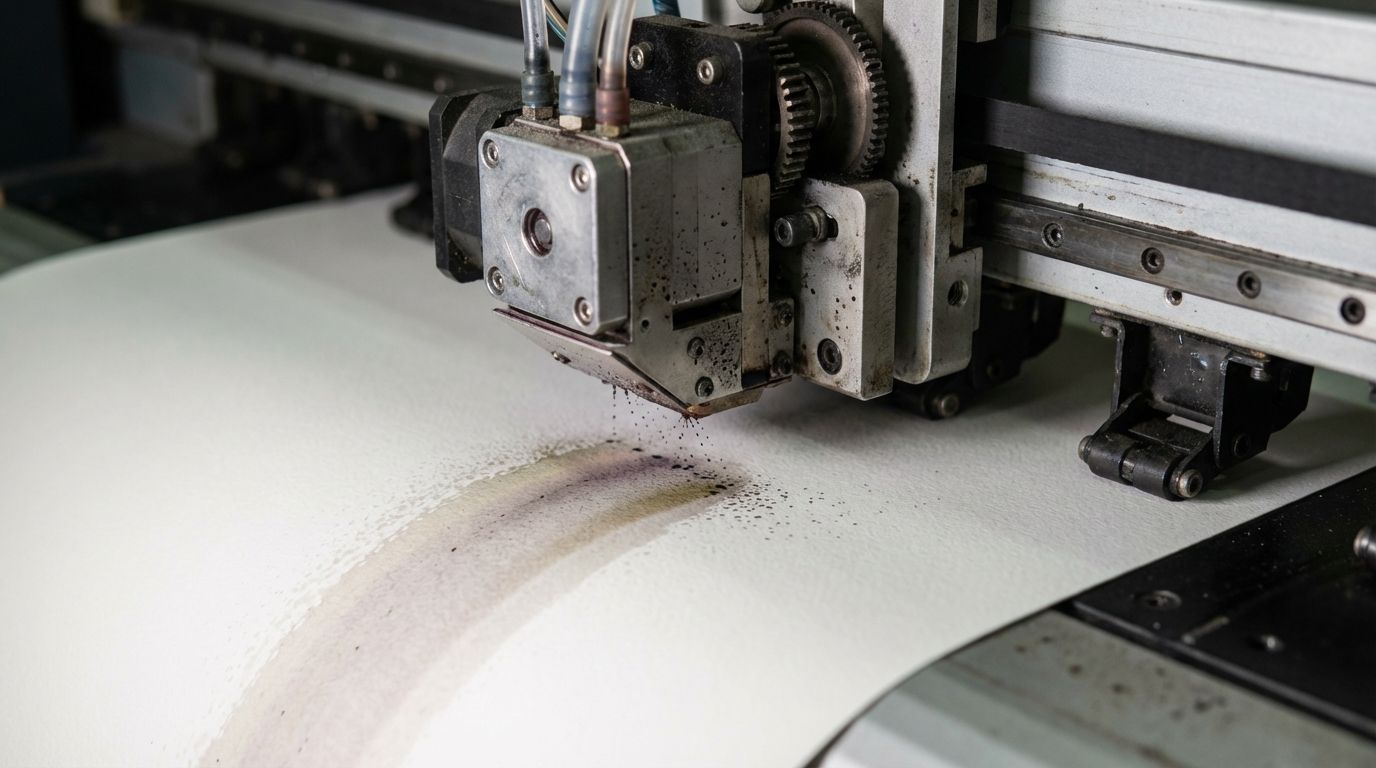
You’ve likely heard the term, but what is giclee printing, really? The word “giclée” (pronounced zhee-KLAY) comes from the French verb gicler, which means “to spray” or “to squirt.” It refers to the way a fine art inkjet printer sprays microscopic droplets of ink onto paper.
But a giclee print is much more than a standard inkjet print from a desktop printer. It represents a clear set of standards that separate a simple reproduction from a piece of fine art. While a basic poster is designed for temporary decoration, a giclee print is crafted to be an archival piece that rivals the original in beauty and durability. The difference lies in three key components: the printer, the ink, and the paper.
The three pillars of true giclee printing
To be considered a true giclee print, the production process must meet high standards across technology, materials, and substrates. Think of these as the three pillars that support a museum-quality final product.
The printer: High-resolution technology
Giclee printing starts with a professional, large-format inkjet printer. These are not the kind you find in a typical office. These specialized machines are engineered for precision and can use up to 12 different color ink cartridges. This extensive color range allows the printer to reproduce a much wider spectrum of tones—or color gamut—than a standard printer, resulting in incredibly accurate and vibrant prints.
For a sharp, detailed image, your digital file should be prepared at a resolution of at least 300 DPI (dots per inch). The printer then uses this information to lay down millions of microscopic ink droplets, creating flawless gradients and crisp details that bring your artwork to life.
The ink: Archival pigment-based inks
The type of ink used is arguably the most critical factor in giclee printing. Unlike the standard dye-based inks found in most home printers, giclee uses pigment-based inks.
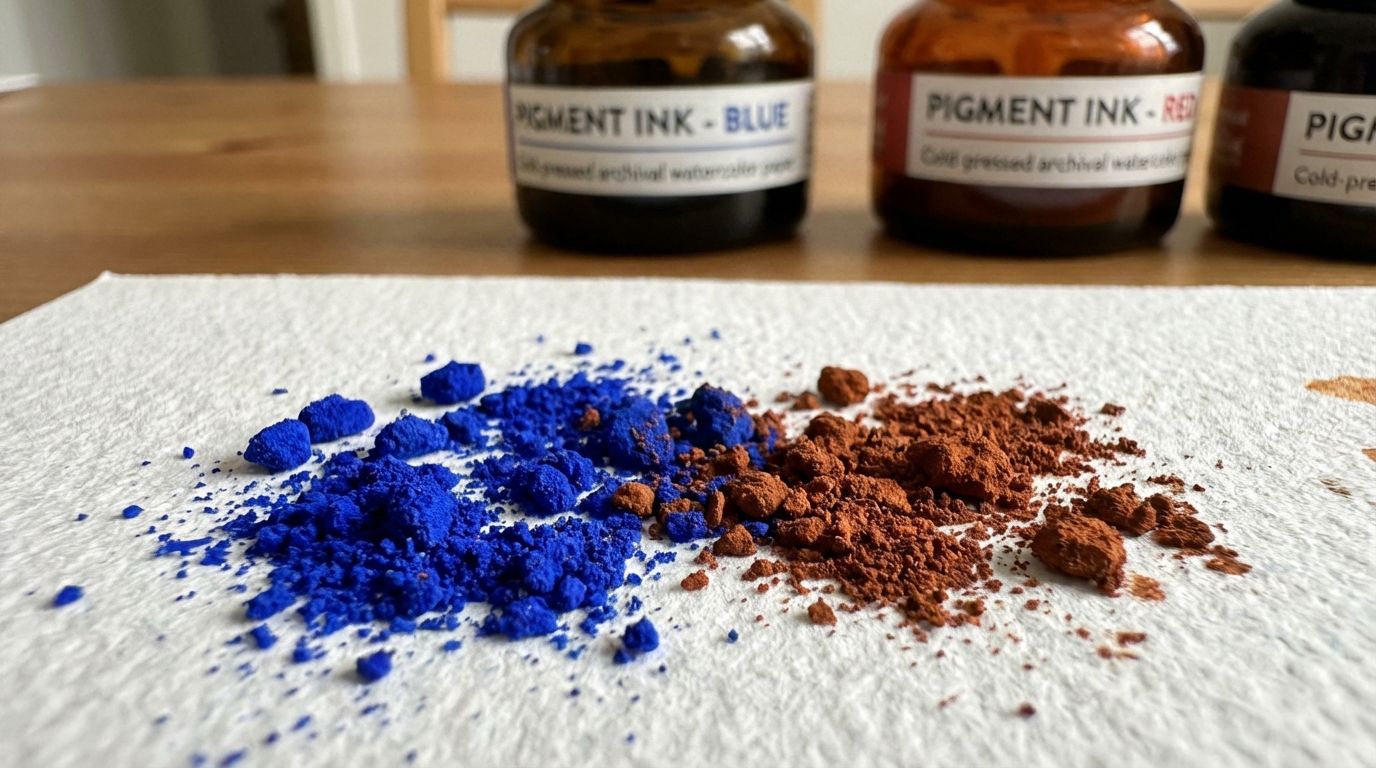
Dye-based inks are made from soluble colorants that soak into the paper. They can produce bright colors, but they are vulnerable to UV light, moisture, and environmental gases, causing them to fade quickly. Pigment-based inks, on the other hand, consist of microscopic solid particles of pigment suspended in a liquid. These particles sit on the surface of the paper, offering superior resistance to fading.
When paired with archival paper, pigment-based inks have a lightfastness rating of over 100 years, ensuring your print remains as vivid as the day it was made.
The paper: Archival and acid-free
The final pillar of giclee printing is the substrate it’s printed on. Giclee prints are made using archival, acid-free paper. Archival paper is free of acidic compounds and lignin, which are substances that cause paper to become yellow and brittle over time.
You have many options when it comes to what is giclee paper, each offering a unique feel and finish:
100% Cotton Rag: Considered the premium choice, it offers a luxurious feel and excellent durability.
Alpha-Cellulose: A more affordable but still high-quality, acid-free paper made from wood pulp.
Canvas: Perfect for reproducing paintings, offering a classic, textured finish.
The weight of the paper, measured in grams per square meter (gsm), also contributes to the perceived quality. Heavier papers feel more substantial and are less likely to warp, making them ideal for fine art sales.
Why should artists choose giclee printing?
Now that you understand the technical side, let's explore why giclee printing is the best choice for your art business. It’s about more than just making a copy; it’s about creating a valuable product that elevates your brand.
Unmatched color accuracy and detail
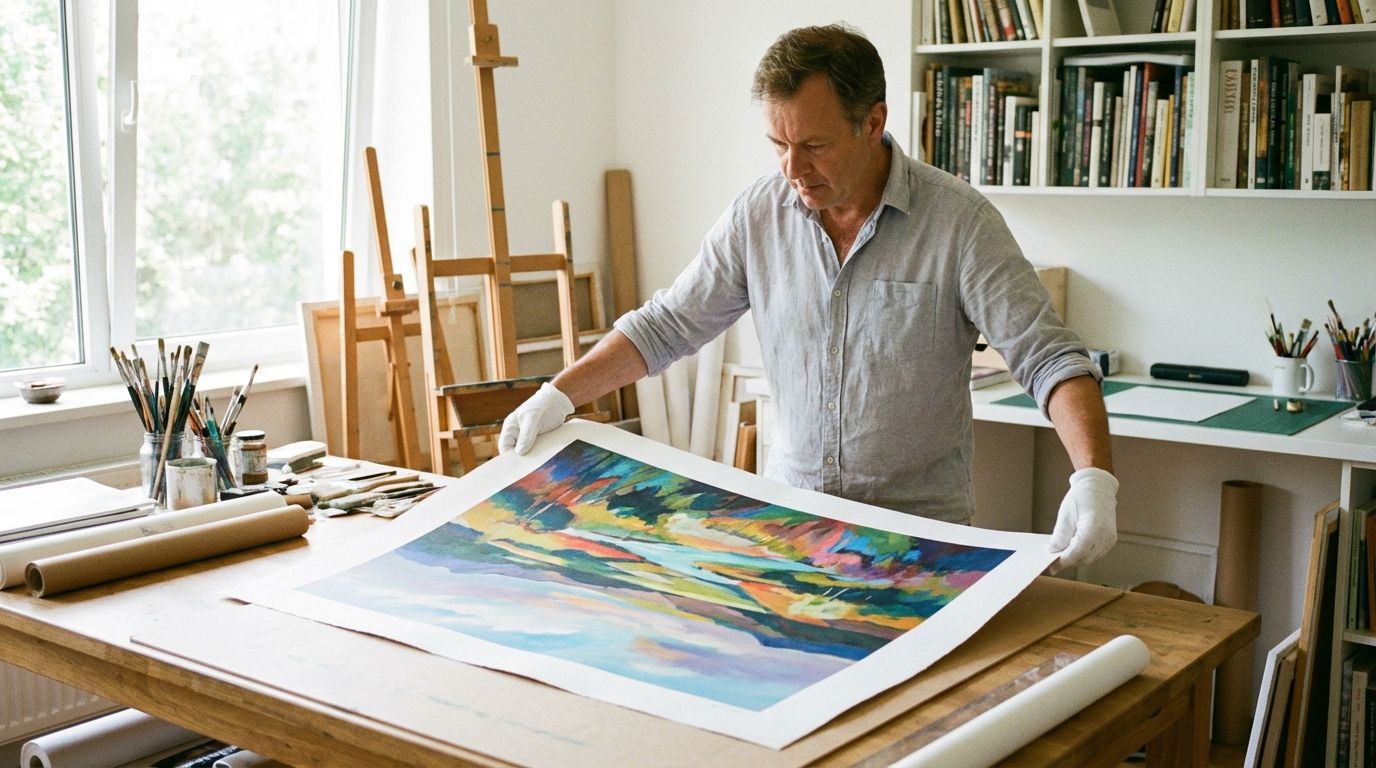
Your art is all about nuance—the subtle shift in a shadow, the vibrant pop of a highlight. Giclee printing captures that nuance perfectly. The combination of a wide color gamut and high-resolution printing ensures that every detail of your original piece is faithfully reproduced. This accuracy gives you the confidence that the print your customer receives is a true representation of your vision.
Superior longevity and value
A giclee print is an investment. Because it won't fade or yellow, collectors can purchase your work knowing it will last for generations. This longevity allows you to price your prints higher than standard posters, reflecting their true value as fine art objects. Offering limited edition, signed giclee prints is a fantastic way to create scarcity and increase the value of your work. The distinction between a temporary decoration and a lasting artwork is clear when comparing an art print vs. a poster.
The professional standard for selling art
If you plan to sell your work through galleries, high-end online marketplaces, or directly to serious art buyers, giclee printing is the expectation. It signals to the art world that you are a professional who cares deeply about quality. Presenting your work as giclee prints builds trust and enhances your reputation as a serious artist. It's the most effective way of turning your artwork into products that reflect its true quality.
A practical checklist for your first giclee print
Ready to get started? Here’s a simple four-step checklist to guide you through creating your first giclee print.
Step 1: Prepare your digital file. Ensure your artwork is scanned or photographed at a high resolution. Save the file as a 300 DPI TIFF or high-quality JPEG in an sRGB or Adobe RGB (1998) color profile for best results.
Step 2: Choose the right paper. Think about what finish best complements your art. A smooth, matte paper is great for photographs and detailed illustrations, while a textured paper can add depth to digital paintings. Explore the best paper for art prints to find your perfect match.
Step 3: Partner with a quality print on demand provider. You need a partner who understands the standards of giclee printing. A reliable provider will use the right equipment and materials to ensure every print is perfect.
Step 4: Order a sample. Always order a sample print for yourself before listing a new product for sale. This allows you to check the color accuracy, paper quality, and overall finish so you can sell with absolute confidence.
Giclee printing with Gelato: Quality meets global scale
For many creators, accessing professional giclee printing can feel complicated and expensive. Gelato makes it simple. We connect you with a global network of professional print partners who specialize in producing museum-quality fine art prints.
We use archival, pigment-based inks and a curated selection of premium, sustainably sourced papers to ensure every print meets the giclee standard. And because our network is local, you get consistent quality, faster shipping, and a more sustainable production process. It’s a smarter way to produce and sell your art without compromise.
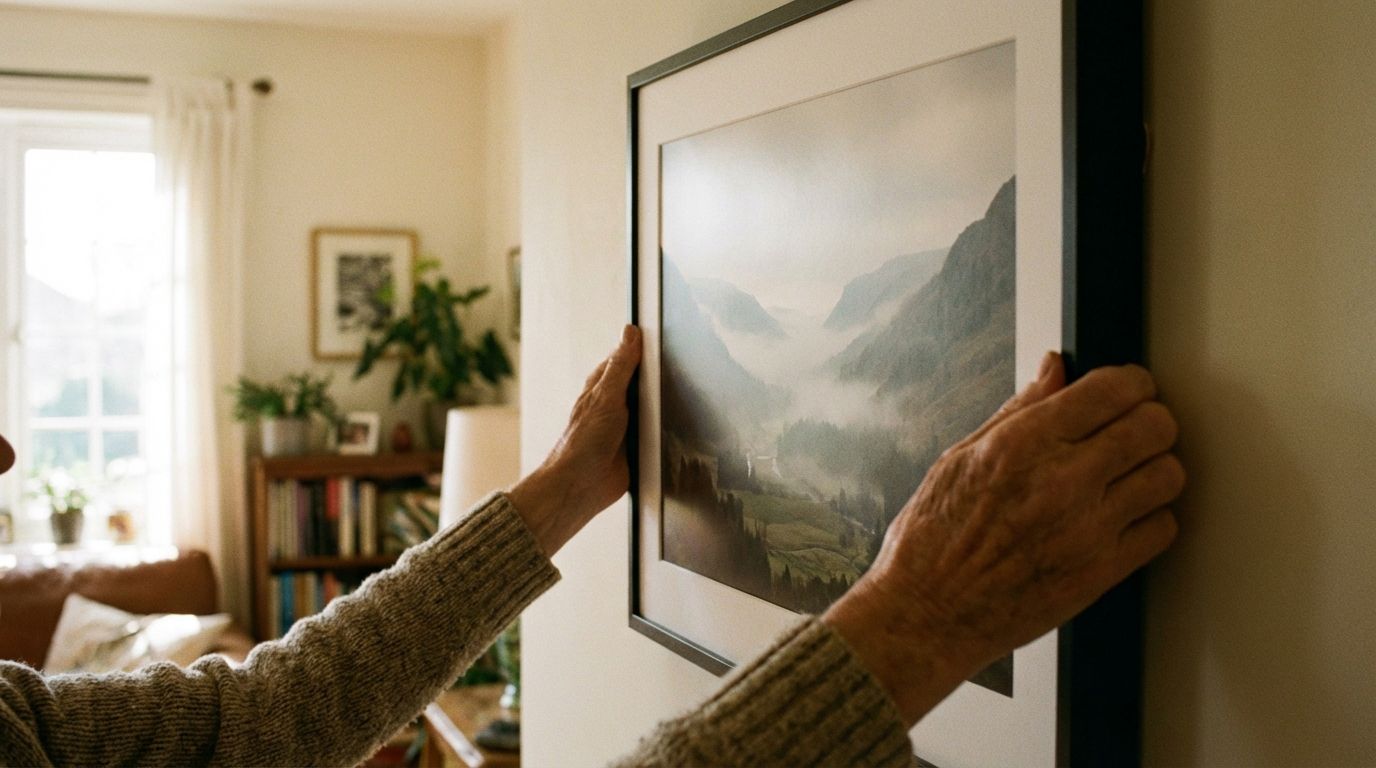
"I switched to Gelato for all my fine art prints last year before the summer festival season. The quality is a cut above other POD services, and my customers immediately noticed. The color matching is spot-on, and the archival paper feels incredible."
– Alex Chen, Illustrator & Creator
When you're deciding on a print partner, quality and reliability are everything. It’s why so many artists compare Gelato vs. Printful for wall art and choose our network for its consistent, professional results.
Common questions about giclee printing
Is a giclee print the same as an original piece of art?
No, a giclee is a reproduction of an original artwork. However, it is the highest quality reproduction available, which is why it’s often sold as a limited edition and signed by the artist.
Can I do giclee printing at home?
While you can buy a high-quality photo printer, achieving the true archival standards of giclee printing at home is difficult and costly. Professional print providers use calibrated equipment, specialized inks, and a wide range of archival papers that are not readily available to consumers.
How do I care for a giclee print?
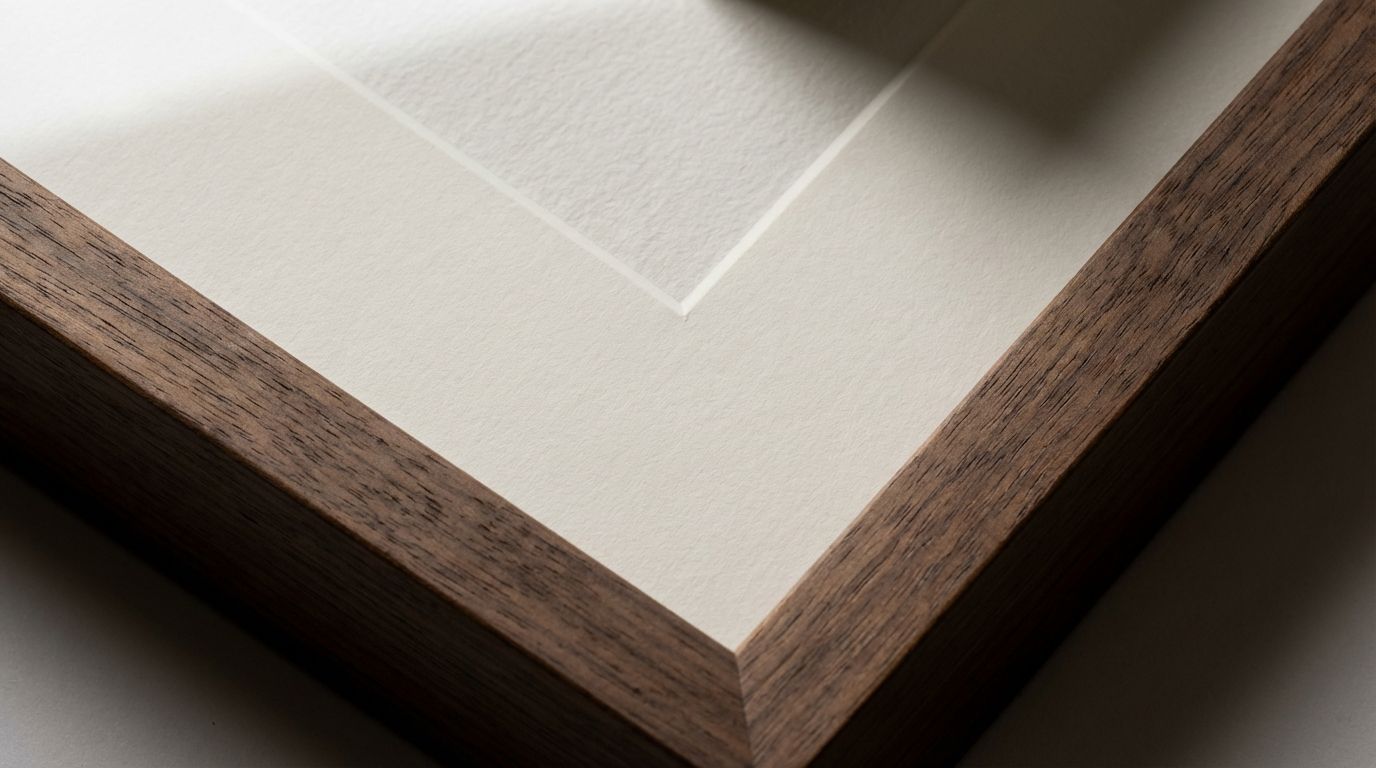
Treat it like any piece of fine art. Avoid touching the printed surface with bare hands, keep it out of direct sunlight, and consider professional framing. For added protection, learn about framing giclee prints with UV-protective glass and acid-free materials.
Is giclee printing expensive?
Giclee printing has a higher production cost than standard posters due to the premium materials and technology involved. However, the superior quality and longevity allow you to sell the prints at a much higher price point, resulting in a better profit margin and a more valuable product for your customers.
Your art deserves to be seen in the best possible light. By choosing giclee printing, you ensure that every reproduction you sell is a true testament to your skill and vision.
Start with one design and create your first museum-quality print with Gelato today.