Personlige produkter + opptil 33 % rabatt Aktiver tilbudet nå ➜

Content

Design plakater for profitt: din datadrevne 2025-guide

The global wall decor market, a vibrant space where art meets commerce, reached an estimated size of $76.3 billion in 2024. This staggering figure isn't just a number; it's a massive, open invitation for creators, artists, and entrepreneurs to turn their vision into a thriving business. While it’s easy to think of selling posters as simply putting a nice image on paper, the creators who succeed in 2025 are operating on a different level. They understand that modern poster design is a strategic blend of art, data, and consumer psychology. This guide moves beyond basic design tips to offer a data-driven blueprint for creating posters that don’t just decorate walls but also build brands and generate revenue. We’ll explore the market trends, design frameworks, and technological shifts you need to know to design posters that captivate and convert.

Main takeaways

Here’s a snapshot of the key strategies for designing and selling posters successfully in 2025:

  • Niche is the new mainstream: Broad, generic designs face intense competition. Success lies in targeting specific, passionate communities with unique themes, from vintage astronomical charts to minimalist architectural blueprints.

  • Personalization drives purchases: The data is clear: 65% of consumers are more likely to buy a product that can be customized. Offering options like personalized text, dates, or even custom pet portraits is a powerful sales driver.

  • Curate collections, not singles: The “gallery wall” phenomenon is a major consumer trend. Design posters that work together as a cohesive set to encourage multiple-item purchases and increase average order value.

  • Embrace emerging tech: AI art generation tools are accelerating design creation, while augmented reality (AR) visualization is transforming the online shopping experience by helping customers picture art in their own space.

  • Sustainability sells: A growing number of consumers actively seek products from brands that prioritize the planet. Using recycled materials and eco-friendly inks is no longer a bonus—it's a significant market differentiator.

  • Quality is non-negotiable: Your design is the product. Partnering with a high-quality production on demand service ensures your creative vision is executed perfectly every time, building trust and customer loyalty.

The poster market in 2025: A landscape of opportunity

To design posters that sell, you first need to understand the landscape you’re selling in. The current market is defined by strong growth, a decisive shift to ecommerce, and specific consumer preferences that offer a clear road map for creators.

Understanding the booming wall decor market

The wall decor market is not just large; it’s consistently growing. Projections show a compound annual growth rate (CAGR) of 5.1% from 2025 to 2030, fueled by a global interest in home personalization. More importantly for online creators, ecommerce channels are leading this charge. In 2024 alone, online sales for wall decor saw a 15% jump in transaction volume. This tells us that consumers are not only comfortable buying art online—they’re actively seeking it out. This digital-first environment removes geographical barriers and opens up a global audience for your designs.
Design posters for profit: Your data-driven 2025 guide - Second Image

Data from trend-forecasting platforms like Pinterest and Etsy reveals clear patterns in consumer taste for 2025. The most popular themes include:

  • Biophilic designs: Art that connects us with nature continues to dominate. This includes detailed botanical illustrations, serene landscape photography, and minimalist leaf patterns.

  • Abstract minimalism: Clean lines, simple geometric shapes, and muted color palettes appeal to a modern aesthetic, offering a sense of calm and sophistication.

  • Vintage & nostalgia: Retro travel posters, vintage patent drawings, and classic movie-inspired art evoke a sense of nostalgia and timeless style.

These trends provide a fantastic starting point, but the real opportunity lies in combining them with personalization. By offering these popular themes on high-quality custom posters, you can give customers the style they want with a unique touch that makes it their own.

The art of design: Strategies for creating sellable posters

A great idea is only the beginning. The next step is translating that idea into a design that resonates with a specific audience and compels them to purchase. This requires moving beyond subjective taste and applying proven strategic frameworks.

Strategy 1: Niche down to stand out

In a saturated market, trying to appeal to everyone means you appeal to no one. The most successful poster brands focus on a specific, passionate audience. This approach reduces competition and helps build a loyal community around your brand. Instead of "nature posters," think "macro photography of bioluminescent fungi." Instead of "car posters," think "minimalist blueprints of iconic 1960s sports cars."

A perfect example is the fictional brand 'Celestial Cartography.' Launched in 2023, it focused exclusively on scientifically accurate, vintage-style star maps. By targeting astronomy lovers on Instagram and Reddit, they built a dedicated following and grew revenue by 300% in their first year. Their success stems from a deep understanding of their niche’s desire for authenticity. This philosophy is perfectly captured by author Simon Sinek: "People don't buy what you do; they buy why you do it." A poster brand with a clear story and purpose will always outperform one that just sells images.

Strategy 2: Curate a cohesive collection, not just single prints

The "gallery wall" has transformed how people buy art for their homes. Consumers are now interior designers, curating personal collections of multiple prints. You can capitalize on this trend by designing posters in cohesive collections that share a consistent style, color palette, or theme. This strengthens your brand identity and makes it easy for a customer to envision buying three, four, or even five of your prints at once.

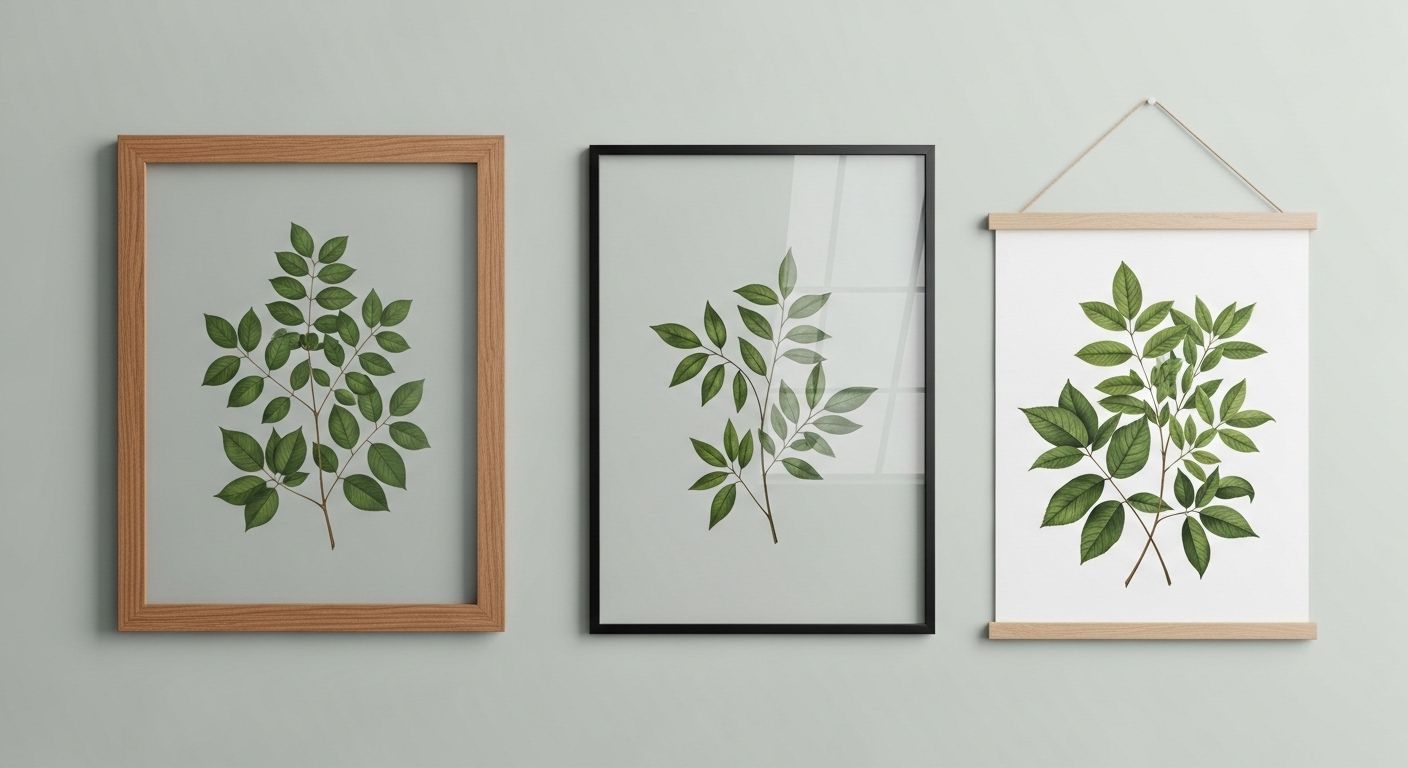
Consider offering your designs in various formats to facilitate this. A striking central image as a large print, complemented by smaller pieces, can create a stunning visual package. Presenting them in beautiful wooden framed posters or modern metal framed posters in your product mockups helps customers visualize the final look, making the sale more likely. For a deeper dive into this, explore these creative art business ideas to spark your next collection.

Design posters for profit: Your data-driven 2025 guide - Third Image

The AIDA model is a classic marketing framework that works brilliantly for visual products like posters. Use it as a checklist for your creative process:

1. Attention: Does your design grab the viewer’s eye immediately? This could be through a bold color, a dramatic composition, or an intriguing headline.

2. Interest: Once you have their attention, does the design hold it? Compelling details, clever use of negative space, and thoughtful typography can draw the viewer in.

3. Desire: Does the poster create an emotional connection? It should make the viewer feel something—inspired, nostalgic, calm, or amused—and make them want that feeling in their personal space.

4. Action: While the design creates desire, your product page must drive action. Clear images, compelling descriptions, and an easy checkout process are the final steps to securing the sale.

Harnessing technology and trends to design posters for the future

The tools and consumer expectations shaping the poster market are evolving rapidly. Staying ahead of these trends gives you a significant competitive edge.

Leveraging AI for rapid design and hyper-personalization

AI-powered art generation tools like Midjourney and Stable Diffusion are no longer a novelty; they are powerful assets for creators. In 2025, these tools are being used to rapidly brainstorm concepts, iterate on designs, and create hyper-specific collections at a scale previously unimaginable. Imagine generating a series of 50 unique, art-deco-style portraits of different cat breeds in an afternoon. AI makes this possible, opening the door to extreme personalization and niche fulfillment.

Sustainability: Designing with purpose

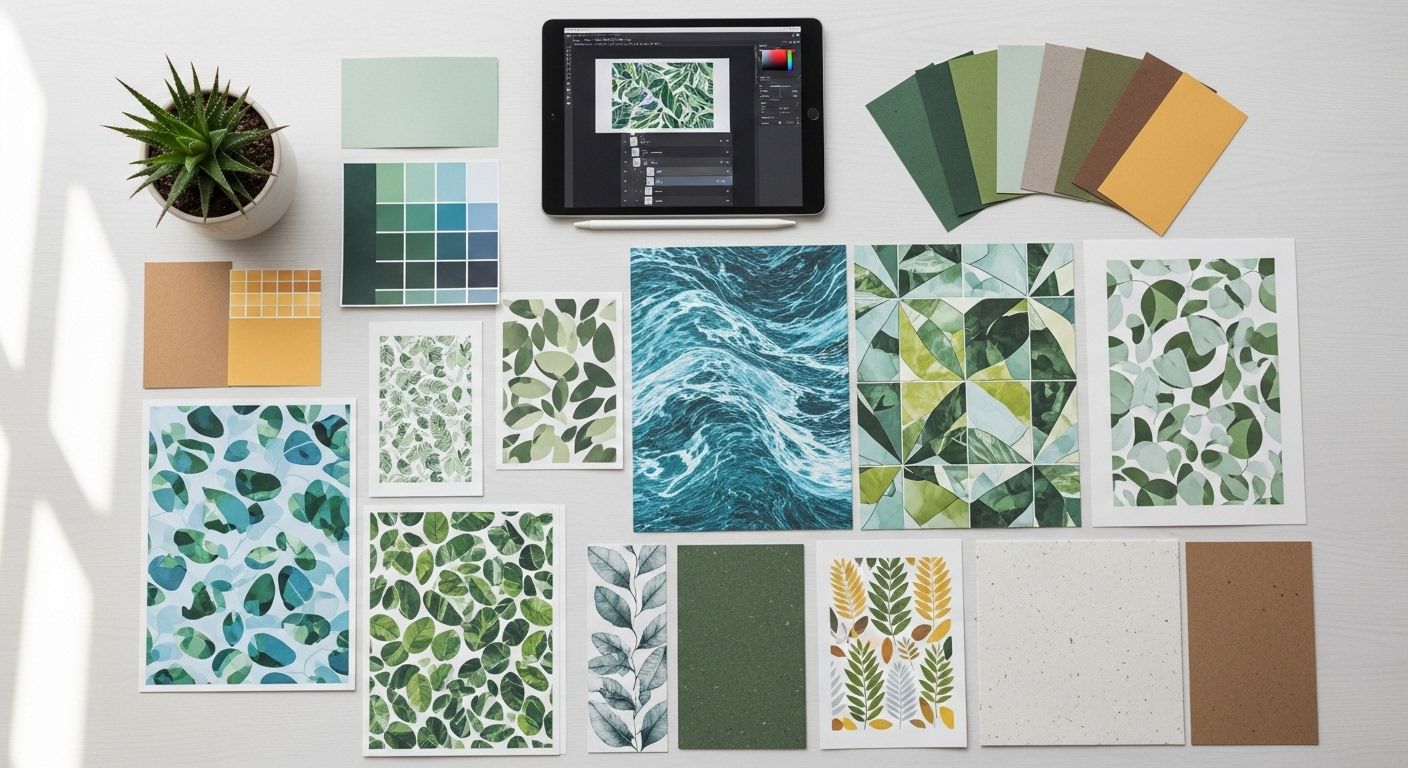
Today’s consumers are increasingly eco-conscious. They want to know where their products come from and what impact they have on the planet. Highlighting that your posters are printed on sustainably sourced paper with non-toxic, water-based inks is a powerful selling point. This commitment to sustainability can be a core part of your brand identity. Gelato’s production on demand model inherently supports this, as products are made locally and only when ordered, reducing waste and carbon emissions. You can find design inspiration with trending colors for 2025 that align with natural, earthy palettes to strengthen this eco-friendly message.

From screen to wall: Enhancing the customer experience

One of the biggest hurdles in selling wall art online is the customer’s inability to visualize the product in their home. Innovative ecommerce stores are solving this with augmented reality (AR) tools that let customers use their phone’s camera to see how a poster will look on their own wall. This "try before you buy" technology is proven to increase conversion rates.

Furthermore, the magic behind a successful global poster business is a sophisticated production on demand network. Using a partner like Gelato means your design can be printed and shipped from a local facility in over 32 countries. This dramatically reduces shipping times, lowers costs, and shrinks the carbon footprint of each order—a win for you, your customer, and the planet.

Design posters for profit: Your data-driven 2025 guide - Fourth Image

Your step-by-step framework for launching a poster business

Ready to get started? Here’s a practical, five-step plan to take your poster designs from concept to customer.

1. Identify your niche and audience: Use tools like Google Trends, explore subreddits, and browse Pinterest to find passionate communities. What do they love? What kind of art is missing from their market? Build your brand around serving them.

2. Create high-quality designs: Whether you design them yourself, collaborate with an artist, or use AI, ensure your final files are high-resolution (300 DPI is the standard) to guarantee crisp, professional prints. You can use accessible tools like Canva for design and mockups or professional-grade software like Adobe Creative Cloud.

3. Set up your ecommerce store: Platforms like Shopify make it easy to build a beautiful online store. Focus on creating stunning product mockups, writing descriptive copy that tells the story behind each design, and ensuring a smooth checkout process.

4. Integrate a production partner: Connect your store to a global production on demand network. This automates the entire fulfillment process—when a customer places an order, it’s automatically printed and shipped without you ever touching inventory. This lets you offer a wide variety of products, like posters with wooden hangers, without any upfront investment.

5. Market your posters: Your designs won’t sell themselves. Use visual-first platforms like Instagram, TikTok, and Pinterest to showcase your art. Run targeted ads to your niche audience and collaborate with influencers who align with your brand.

Design posters for profit: Your data-driven 2025 guide - Fifth Image

Overcoming common challenges in the poster market

Every creative venture has its hurdles. Here’s how to navigate the most common challenges in the poster business.

Navigating a crowded market and protecting your work

The biggest challenge is market saturation. The solution is twofold: a laser-focused niche and an unshakable brand identity. Don't try to be the cheapest; aim to be the most unique and authentic choice for your specific audience. Unfortunately, design theft is also a risk. Protect your work by using digital watermarks on your mockups and being prepared to issue DMCA takedown notices if you find your art being sold elsewhere without permission.

Another critical factor is ensuring consistent print quality. Your reputation depends on it. Partner with a reliable production provider with a strong record of quality control. Always order samples of your own designs to check colors, paper stock, and overall finish before making them available to the public. For creators who want to understand the technical side better, learning about what makes the best printer for art prints can provide valuable insight into the production process.

Start your own business with Gelato. Sign up for free today

mobile hero

Frequently asked questions (FAQ)

1. What resolution should I use to design posters?

For professional, high-quality prints, you should always design your posters at a resolution of 300 DPI (dots per inch) at the final print size. For example, an 18x24 inch poster should have a file dimension of 5400x7200 pixels.

2. What are the most profitable poster niches in 2025?

Based on current trends, highly profitable niches often combine a popular theme with a passionate community. Examples include custom pet portraits in specific art styles (e.g., Renaissance), minimalist city maps for travel enthusiasts, and educational posters for children’s rooms that are also aesthetically pleasing.

3. How can I design posters if I'm not an artist?

You have several options! You can use user-friendly design tools like Canva which offer templates and elements. You can also license designs from artists on platforms like Creative Market, or collaborate directly with freelance designers. Finally, AI art generators are a powerful new tool for non-artists to create unique visuals.

4. What's the best way to sell posters online without holding inventory?

The best method is production on demand. By integrating your ecommerce store with a service like Gelato, your posters are only printed and shipped after a customer makes a purchase. This eliminates the financial risk of buying inventory, managing stock, and handling shipping yourself.

5. How do I create a cohesive poster collection?

Start with a core theme, style, or color palette. For example, a "Coastal" collection might feature a consistent palette of blues, sands, and whites across different subjects like waves, lighthouses, and seashells. Ensure the typography and overall aesthetic feel related, so the pieces look intentional when displayed together.

6. Are framed posters more profitable than unframed prints?

Framed posters typically have a higher price point and can offer a better profit margin. They provide a complete, ready-to-hang solution for customers, which is a significant value-add. Offering both framed and unframed options allows you to cater to different budgets and preferences.

7. How can I use personalization when I design my posters?

Offer customizable fields on your product page. This could be for adding names, important dates (like anniversaries or birthdays), custom quotes, or even creating star maps for a specific time and location. The key is offering a personal touch that makes the design uniquely theirs.

Start your creative empire today

Designing posters that sell in 2025 is an exciting fusion of art and entrepreneurship. By leveraging market data, focusing on a passionate niche, and embracing new technology, you can build a brand that stands out and thrives. The barrier to entry has never been lower, but the standard for success has never been higher. It requires creativity, strategy, and a commitment to quality. With the right approach and a world-class production partner, your designs can reach homes all over the globe.

Ready to bring your poster designs to life with unparalleled quality and global reach? Explore the full range of wall art and start building your creative empire with Gelato today.

Share:

Next steps

Start selling custom posters worldwide with Gelato