

Did you know that an estimated 65% of photo books were created and ordered via mobile devices in 2024? This single statistic reveals a profound shift in how we preserve memories. The journey from a spontaneous snapshot on our phone to a cherished, tangible object is now shorter and more accessible than ever. For creators, photographers, and ecommerce entrepreneurs, this isn’t just a trend; it's a massive opportunity. The global photo book market is set to reach $4.02 billion in 2025, driven by a deep human desire for permanent, meaningful products in an increasingly digital world. This guide isn’t just about making a photo book; it’s a comprehensive blueprint for tapping into this thriving market, understanding what consumers truly want, and building a successful business around the art of memory-keeping.
Main takeaways
Here’s what you need to know to create and sell the best photo books in 2026:
The market is booming: The photo book industry is growing steadily, with a projected market size of over $4 billion in 2025. This growth is fueled by a consumer demand for personalized and tangible products.
Go niche to thrive: Success lies in specialization. Instead of competing with everyone, focus on specific markets like travel adventures, pet memorials, or family year-in-review books to build a loyal audience.
Premium quality is in demand: Consumers are increasingly opting for higher-quality options. Sales for premium layflat photo books saw a 22% increase, indicating a willingness to pay more for a superior product.
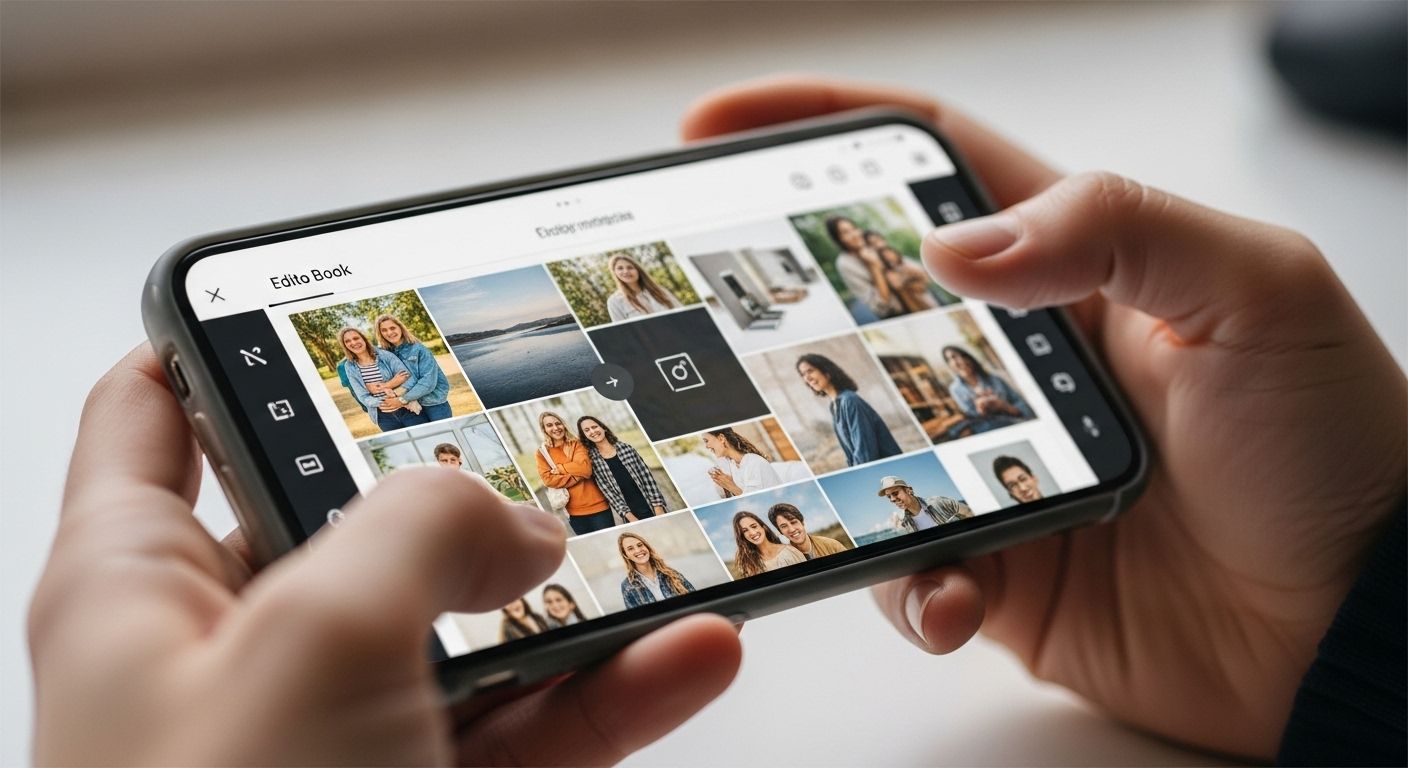
Mobile-first is non-negotiable: With the majority of photo books being created on mobile, a seamless, intuitive mobile design experience is crucial for capturing and converting customers.
Technology simplifies creation: Leverage AI-powered tools and curated design templates to solve the biggest customer pain point: the time and effort required to create a book. Simplify the process to increase sales.
Sustainability sells: Eco-conscious consumers are drawn to products made with sustainable materials like recycled paper and vegan leather. Highlighting these features can be a powerful market differentiator.
Storytelling is your best marketing tool: Market the emotional value of a physical memory. Contrast the fleeting nature of a social media feed with the permanence and joy of a beautifully crafted photo book.
The enduring power of print in a digital age
In an era defined by endless scrolling and cloud storage, the physical photo book has become more relevant than ever. As media sociologist Dr. Alistair Finch noted for TechCrunch, "In an age of ephemeral digital content, the photo book has become an act of defiance—a declaration that some memories are worth preserving on paper. The market in 2026 isn't just selling a book; it's selling permanence."
This sentiment is strongly reflected in market data. According to a report from Future Market Insights, the global photo book market is projected to hit $4.02 billion in 2025. This growth is part of a larger trend; consumer spending on personalized items, including photo books, rose by 12% during the 2024 holiday season, as reported by the National Retail Federation. This tells a clear story: people are actively seeking ways to turn their digital memories into meaningful, lasting keepsakes.
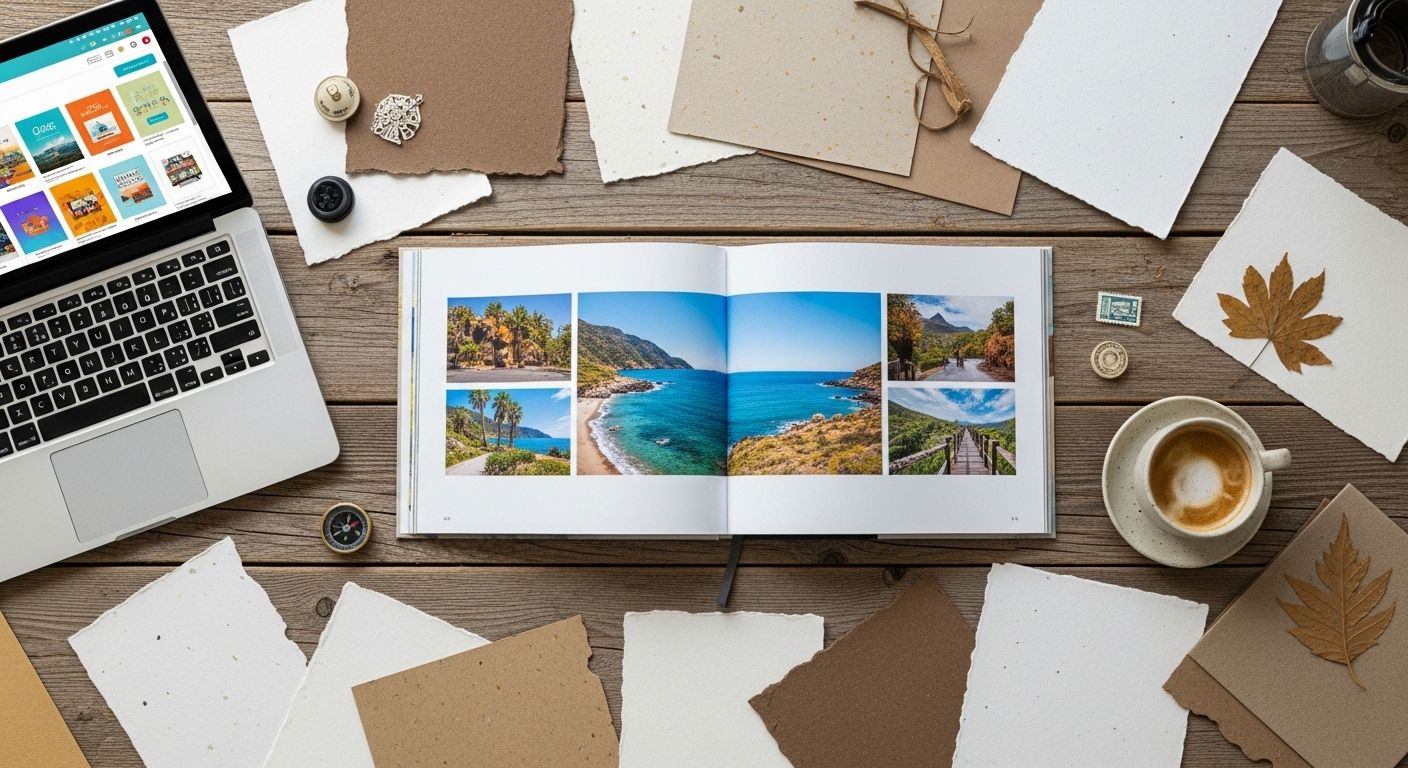
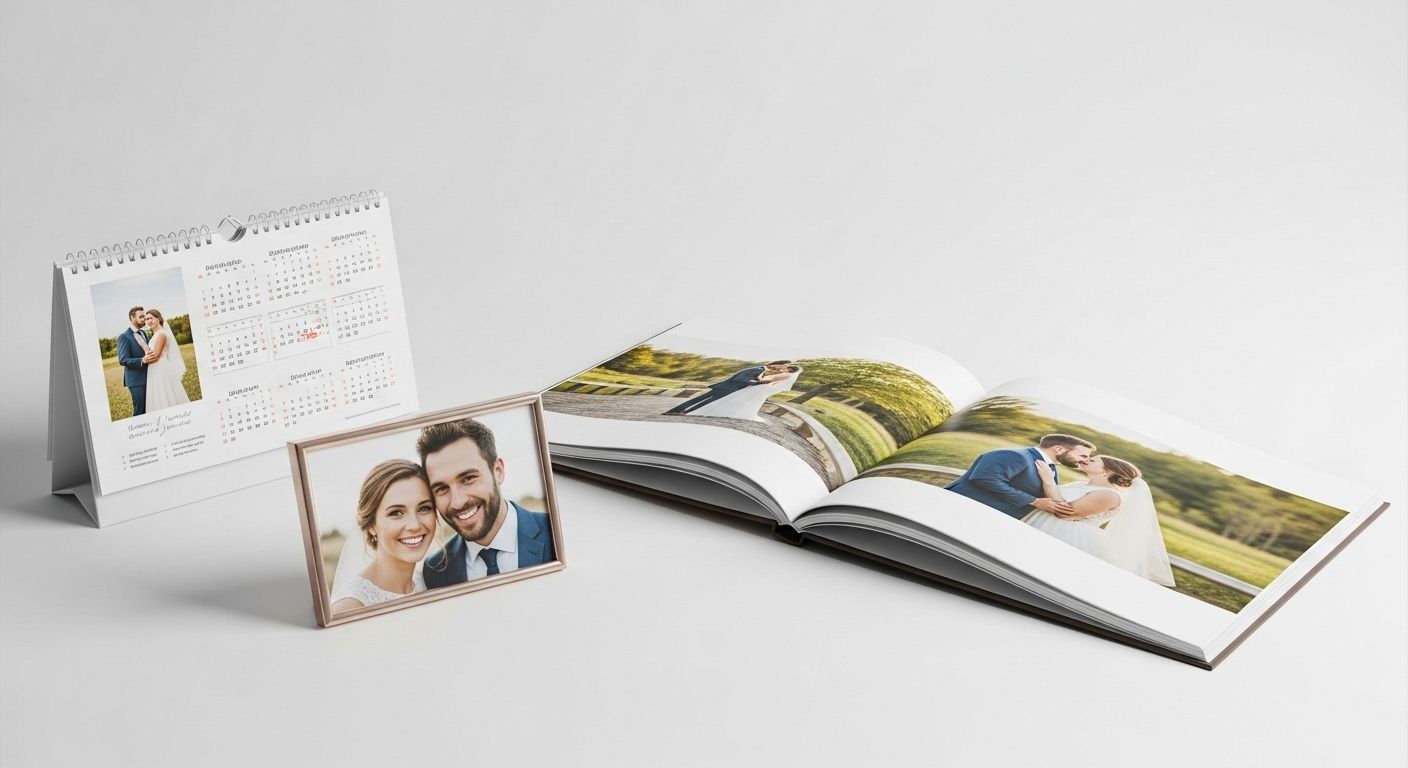
For creators, this represents a shift from simply providing digital files to offering high-value, tangible products. A stunning collection of photos can be transformed into one of Gelato's high-quality custom photo books, creating a new revenue stream and a deeper connection with your audience. The desire for physical products extends beyond books; creators can easily expand their offerings to include items like personalized photo calendars or even stunning canvas prints, all catering to the same customer need.