



Hoodie Tùy Chỉnh: Hướng Dẫn Toàn Diện 2026 cho Người Mua và Nhà Thiết Kế
Hoodie tùy chỉnh là một trong những sản phẩm có biên lợi nhuận cao nhất mà bạn có thể bán qua print-on-demand năm 2026. Với 18.000 lượt tìm kiếm hàng tháng tại Mỹ cho 'custom hoodies' và độ khó từ khóa chỉ 12, đây là một trong những từ khóa đầu dễ tiếp cận nhất cho bất kỳ người bán POD nào. Dù bạn muốn tạo hoodie tùy chỉnh cho thương hiệu, đội nhóm hay dòng merchandise, hướng dẫn này bao gồm tất cả: vật liệu, phương pháp in, nguyên tắc thiết kế và cách xây dựng doanh nghiệp POD dựa trên hoodie thực sự bán được.
Chúng tôi đã tổng hợp mọi thứ người bán cần biết — từ chọn trọng lượng vải phù hợp cho đối tượng của bạn đến quyết định giữa DTG, DTF, thêu và in lụa. Cuối cùng, bạn sẽ biết chính xác thiết lập nào phù hợp với thị trường ngách của mình và cách mạng lưới toàn cầu của Gelato giúp thực hiện đơn hàng dễ dàng.
- Hoodie tùy chỉnh là sản phẩm POD hàng đầu — giá trị cảm nhận cao, tỷ lệ mua lại mạnh và ít cạnh tranh từ khóa trực tuyến.
- Trọng lượng vải phù hợp rất quan trọng: 280–320 GSM fleece phù hợp cho thương hiệu cao cấp; tùy chọn nhẹ hơn (260 GSM) phù hợp với khí hậu ấm áp.
- In DTG hoạt động tốt nhất cho thiết kế nhiều màu sắc; thêu thể hiện chất lượng cao cấp và bền lâu hơn; DTF phù hợp với vải tối màu.
- Thiết kế hoodie tốt giữ đồ họa ngực dưới 30 cm chiều rộng và sử dụng tối đa 3–4 màu để có kết quả sạch sẽ, bền lâu.
- Với Gelato, bạn đăng sản phẩm một lần và bán toàn cầu — hoodie được in và vận chuyển tại địa phương ở 32 quốc gia, giữ cho lợi nhuận luôn ở mức tốt.
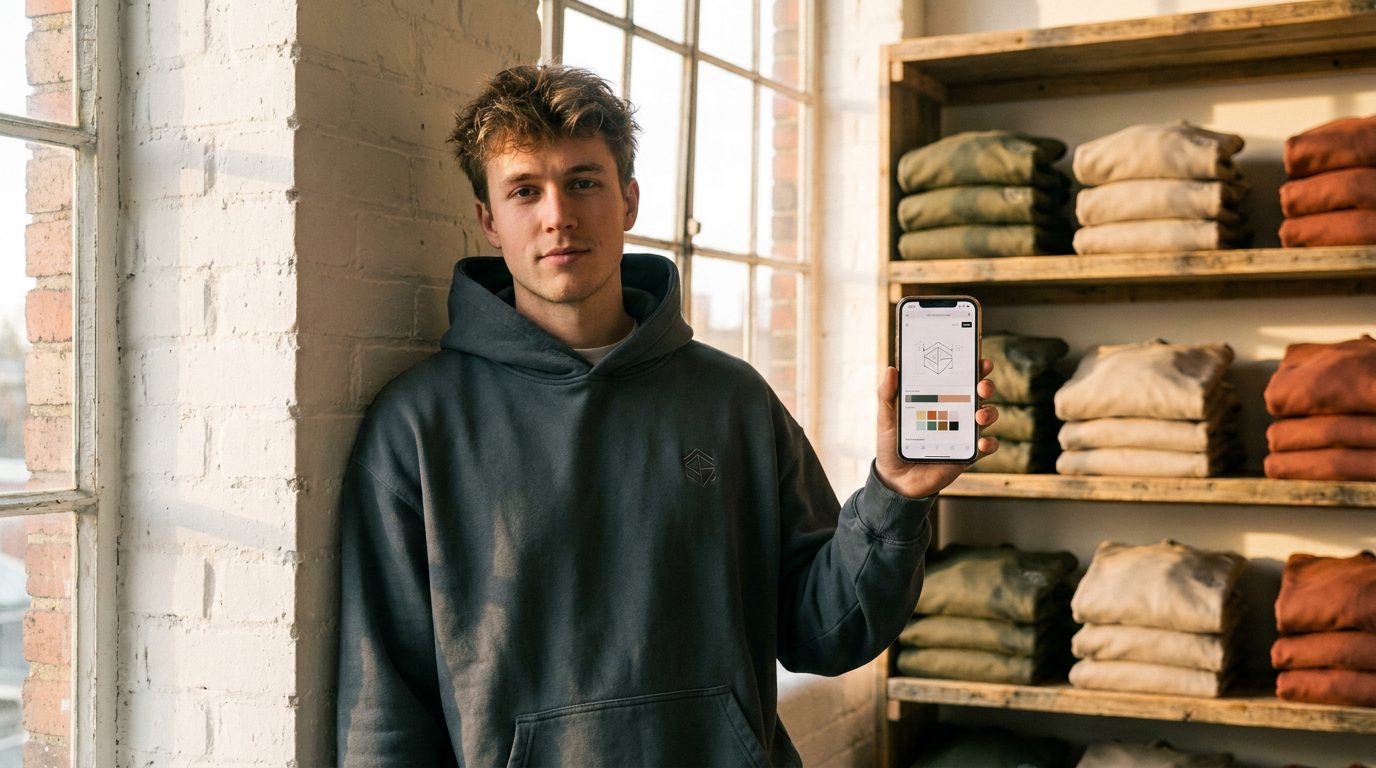
How to Make Your Own Hoodie: A Step-by-Step Overview
Making your own hoodie no longer requires a factory minimum order of 500 units. With print-on-demand, you can design, list, and sell a single hoodie — and only pay for it once a customer orders. Here's how the process works from idea to delivered product:
Choose your hoodie blank — pullover vs zip, fabric weight, and colour range.
Design your artwork — use a vector tool (Adobe Illustrator, Affinity Designer) or the Gelato design editor if starting from scratch.
Apply the artwork to a mockup to check scale, placement, and colour accuracy before listing.
Connect Gelato to your store (Shopify, Etsy, WooCommerce, or direct API) — Gelato handles printing and fulfilment automatically.
Set your retail price and margin — Gelato's base price includes printing; you keep the difference.
Placement tip: Left chest logos should sit 7–9 cm from the shoulder seam, centred between the placket and sleeve. Full-front graphics look best when the artwork width is capped at 28–30 cm — wider than that and the design starts to distort on the curve of the chest.
Choosing the Right Hoodie Blank
Not all hoodie blanks are equal. The three things that most affect a buyer's experience — and your review rating — are fabric weight, cotton percentage, and fit. For a deeper dive on what's working commercially right now, our guide to gen Z fashion trends shows which fits and weights are driving the most POD sales in 2026.
280–300 GSM: midweight, the sweet spot for year-round appeal. Warm enough to feel premium, not so heavy it's unwearable in spring.
300–320 GSM: heavyweight. Signals quality; commands higher prices. Best for northern climates and outdoor brands.
260 GSM: lightweight. Good for streetwear brands targeting warmer US states, Southeast Asia, or Australia.
100% cotton: breathable and easy to print on for DTG. Can shrink slightly after washing.
80/20 or 50/50 cotton-poly blends: more dimensionally stable, less pilling, slightly softer hand feel.
Organic cotton: growing demand from sustainability-conscious buyers. Gelato offers certified organic options.
Hoodie Printing Methods: DTG, DTF, Embroidery, and Screen Printing
Choosing the right hoodie printing method is one of the most consequential decisions you'll make for your brand. Each method has different colour limits, durability, and minimum-order economics. For a full side-by-side breakdown of the two most common digital methods, see our DTG vs DTF comparison guide. Here's how all four stack up for hoodies specifically:
Direct-to-Garment (DTG)
DTG inkjet-prints directly onto the fabric, making it ideal for photographic, multicolour, and gradient-heavy designs. No setup fees, no minimums — perfect for POD. Works best on light-coloured, high-cotton fabrics. On dark hoodies, a white underbase layer is required, which adds slight texture.
Direct-to-Film (DTF)
DTF prints artwork onto a film sheet, then heat-transfers it onto the garment. It handles dark fabrics much better than DTG, with no underbase visible. Colours pop. The transfer has a slight plasticky hand feel on larger prints, so it's better for designs under 25 cm wide. Durability is excellent — typically 50+ washes without cracking.
Embroidery
Embroidery is the premium signal in hoodie design. Thread stitched into the fabric lasts the lifetime of the garment — it cannot fade or peel. Best for logos, wordmarks, and simple graphics under 8 cm wide. Colour limitations apply (typically 15 thread colours per design), so gradients and photos are not possible. Gelato offers embroidered hoodies with no minimum order.
Screen Printing
Screen printing delivers the sharpest, most vibrant results for 1–5 colour designs, but requires a per-colour setup fee and is cost-effective only above ~50 units. Not available for single-unit POD fulfilment. Best suited to bulk orders, events, or team kits.
Quick guide: Use DTG for full-colour art. Use DTF for dark fabrics or bold graphics. Use embroidery for logos that need to signal premium quality. Use screen printing for bulk drops of simple designs.
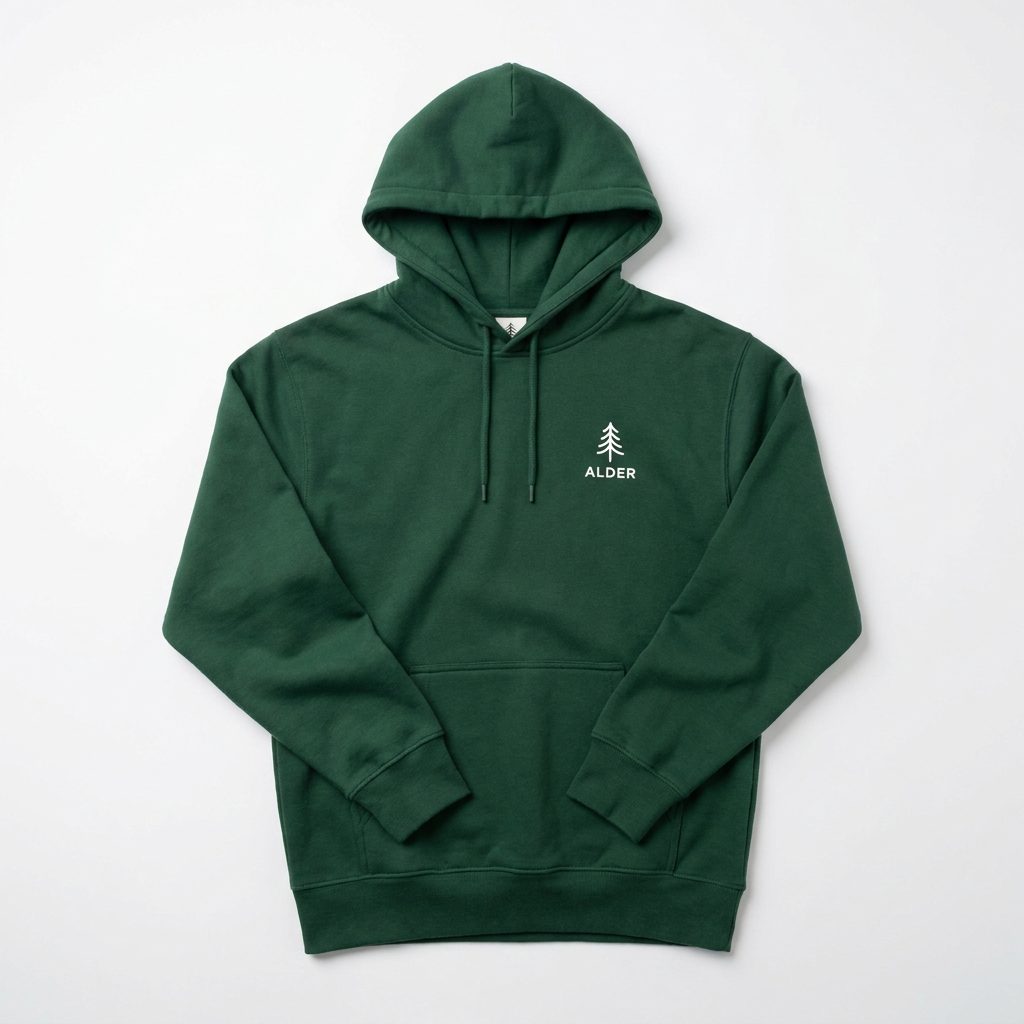
Thiết Kế Hoodie Tùy Chỉnh Của Bạn
Bắt đầu từ đầu hoặc tải lên tác phẩm nghệ thuật của bạn. Gelato in và vận chuyển hoodie tùy chỉnh của bạn từ đối tác in gần nhất ở 32 quốc gia — không có đơn hàng tối thiểu.
Thiết kế ngay →Custom Hoodie Design: What Actually Sells
The designs that perform best on custom hoodies in 2026 share a few common traits: they're legible at a glance, use a limited colour palette, and respect the three-dimensional surface they're printed on. For more ideas and visual references, browse our full collection of hoodie design ideas. Here's what to keep in mind on the technical side:
Keep chest graphics under 30 cm wide — wider prints distort around the side seams.
Use 3–4 colours max for DTG designs on dark hoodies (each colour in the underbase adds cost and opacity variation).
Negative space is your friend — a logo that breathes on the chest looks more premium than one that fills the entire panel.
For sleeve prints, limit artwork to the upper sleeve above the elbow — below that, the fabric bunches.
Add a back-neck or lower-back print if you want a more editorial look without crowding the front.
Design at 300 DPI minimum, in the exact print dimensions specified in Gelato's template files.
2026 Hoodie Design Trends
Based on Gelato seller data and broader streetwear patterns — including the Gen Z fashion trends shaping what buyers actually click on — here are the design directions gaining traction in 2026:
Tonal embroidery — logo and garment in the same colour family, creating a tone-on-tone luxury effect.
Vintage collegiate — distressed sans-serif typography, faded colour washes, reminiscent of 1990s US campus aesthetics.
Nature-forward palettes — moss, clay, oat, slate — replacing the all-black defaults that crowded 2023–2024 catalogues.
Minimalist wordmarks — brand name only, set in a refined serif or geometric sans, left-chest placement.
Oversized fit + small logo — the silhouette does the talking; the logo is an understated detail.
The same principles that make a great hoodie design also apply to t-shirt design — if you're building a full apparel range, run both products through the same design system for a coherent brand look.
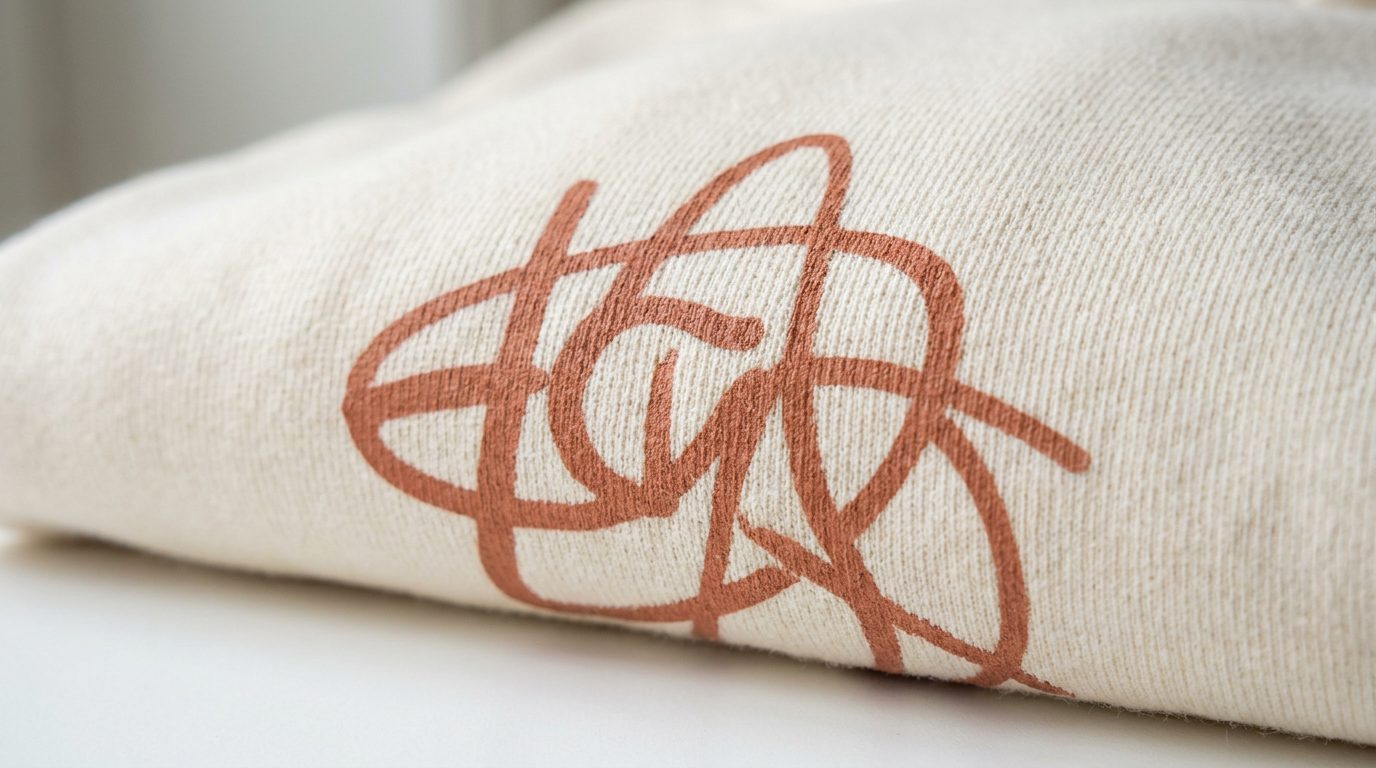
How to Sell Custom Hoodies with Print on Demand
Selling custom hoodies through print on demand removes the need for upfront inventory. You design the hoodie, list it on your store, and Gelato fulfils each order automatically — printing locally and shipping directly to your customer. Here's how to set up a profitable hoodie POD business:
Choose Your Channels
Etsy is the fastest channel for first sales — the platform's search surfaces niche designs to buyers who already know what they want. Our guide to selling on Etsy with POD walks through the full setup from listing to fulfilment. Shopify gives you full control over branding, margins, and customer data — check our roundup of the best free Shopify themes for POD stores to get your storefront looking right from day one. Many successful sellers run both simultaneously, using Etsy for discovery and Shopify for repeat buyers.
Price for Profit
A typical custom hoodie on Gelato costs $22–$28 (base price varies by style and print method). A retail price of $55–$75 yields a healthy margin once you account for platform fees. Don't undercut — buyers expect to pay for a custom garment, and pricing too low signals low quality. For ideas on how to position your brand in a crowded market, our guide to profitable niches for print on demand shows which categories command the best margins.
Photography That Converts
Listings with lifestyle photography outperform flat-lay mockups by 30–40% on Etsy (based on Gelato seller A/B data). Use Gelato's free mockup generator to create realistic flat-lay images for the first listing image, then add lifestyle shots — even user-generated photos — as secondary images.
Build a Cohesive Range, Not One-Off Products
The sellers generating consistent revenue from custom hoodies treat them as a collection, not a single SKU. Offer the same design across 3–4 hoodie styles (pullover, zip, oversized, kids) and across 4–6 colourways. A buyer who loves your design but wants it in olive green — not just black — will convert where a single-colour listing won't. If you're still figuring out what niche to focus on, our guide to Instagram niches for POD sellers is a good starting point for identifying an audience before you build the range.
Bắt Đầu Bán Hoodie Tùy Chỉnh Ngay Hôm Nay
Gelato kết nối với Shopify, Etsy, WooCommerce và nhiều hơn nữa. Thiết kế hoodie của bạn, đặt giá và bắt đầu bán — không cần hàng tồn kho, không có chi phí trả trước.
Custom Hoodies vs Buying in Bulk: Which Is Right for Your Brand?
The classic argument for bulk ordering is per-unit cost — buying 100 hoodies from a manufacturer is cheaper per piece than fulfilling 100 individual POD orders. But that calculation ignores the carrying cost of unsold inventory, the capital tied up in stock, and the risk of ordering the wrong sizes or colours.
For early-stage brands and individual creators, POD wins on risk-adjusted return. For established brands shipping more than 200 units per month of a single SKU, hybrid models make sense — hold core colourways in bulk, use POD for limited editions and new designs. To understand the broader economics, read our guide to the print on demand business model which covers unit economics, platform fees, and how to scale without touching stock.


