



Textured wall art has moved from niche boutiques to mainstream living rooms, and for good reason. Whether it's a plaster-look canvas that casts subtle shadows or a woven textile print that adds warmth to a spare bedroom, texture transforms a flat wall into something you genuinely want to look at. In 2026, it's one of the fastest-growing categories in both home décor retail and print-on-demand — and sellers who get there early are already building loyal audiences. This guide covers 18 trending textured wall art styles, a practical buyer's guide, and the POD seller angle on printing designs that convincingly simulate texture on flat surfaces.
For context on broader wall art trends, see our roundup of living room wall art ideas and our deep-dive into abstract wall art ideas — both categories overlap heavily with the textured aesthetic.
- Textured wall art encompasses both physically raised surfaces and flat prints that simulate texture through design techniques such as trompe-l'oeil, impasto brushstrokes, and grain overlays.
- The top trending styles in 2026 include plaster-look, limewash-effect, impasto, resin-inspired, woven textile, sand/grain, clay panel, and 3D sculptural art.
- POD sellers can tap this trend by designing artwork that convincingly simulates texture — no physical texture required.
- Buyers increasingly search for textured art as a way to add depth and warmth without committing to expensive renovations.
- Pairing textured pieces with neutral walls and natural materials (wood, linen, rattan) delivers the most sought-after interior look.
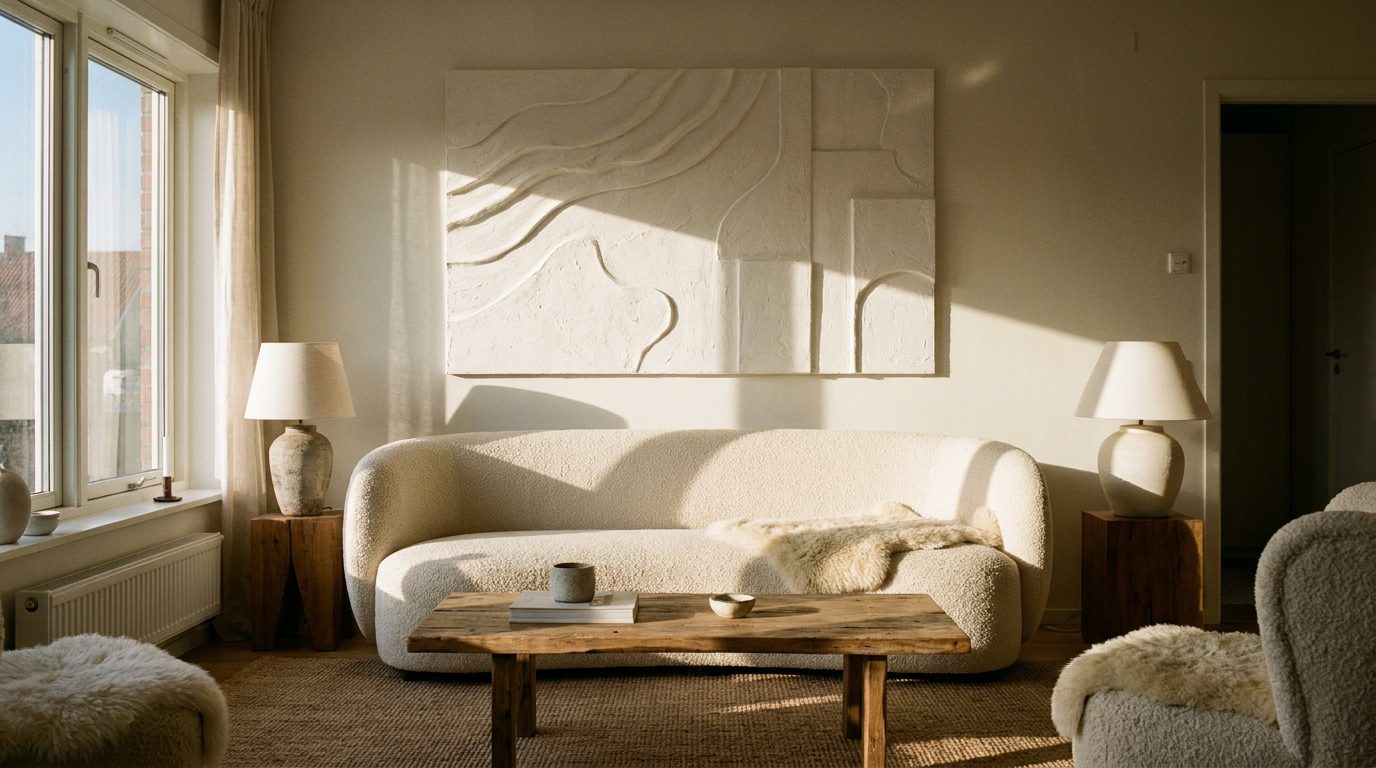
What is textured wall art?
The term covers two quite different things, and it's worth being clear about the distinction before buying or selling. Physically textured art refers to pieces where the surface itself has tactile dimension — think impasto oil paintings with thick raised brushstrokes, plaster or cement panel art, hand-cast clay tiles, or woven textile wall hangings. These are typically handmade or small-batch, and carry a corresponding price tag.
Printed textured art is the faster-growing category online. Here, a flat canvas or fine-art print uses photorealistic detail, tonal contrast, and grain or relief-inspired design to create the convincing illusion of texture. When printed on a canvas with a subtle linen weave, the effect is remarkably believable — especially from across the room, which is how most wall art is actually viewed.
For POD sellers, the printed category is the relevant one. Platforms like Gelato let you upload designs, connect to customers globally, and fulfil locally — making it entirely viable to build a shop around textured-look art without holding stock or handling physical materials. For inspiration on profitable niches, see our guide to profitable print-on-demand niches.
18 trending textured wall art styles for 2026
1. Impasto prints
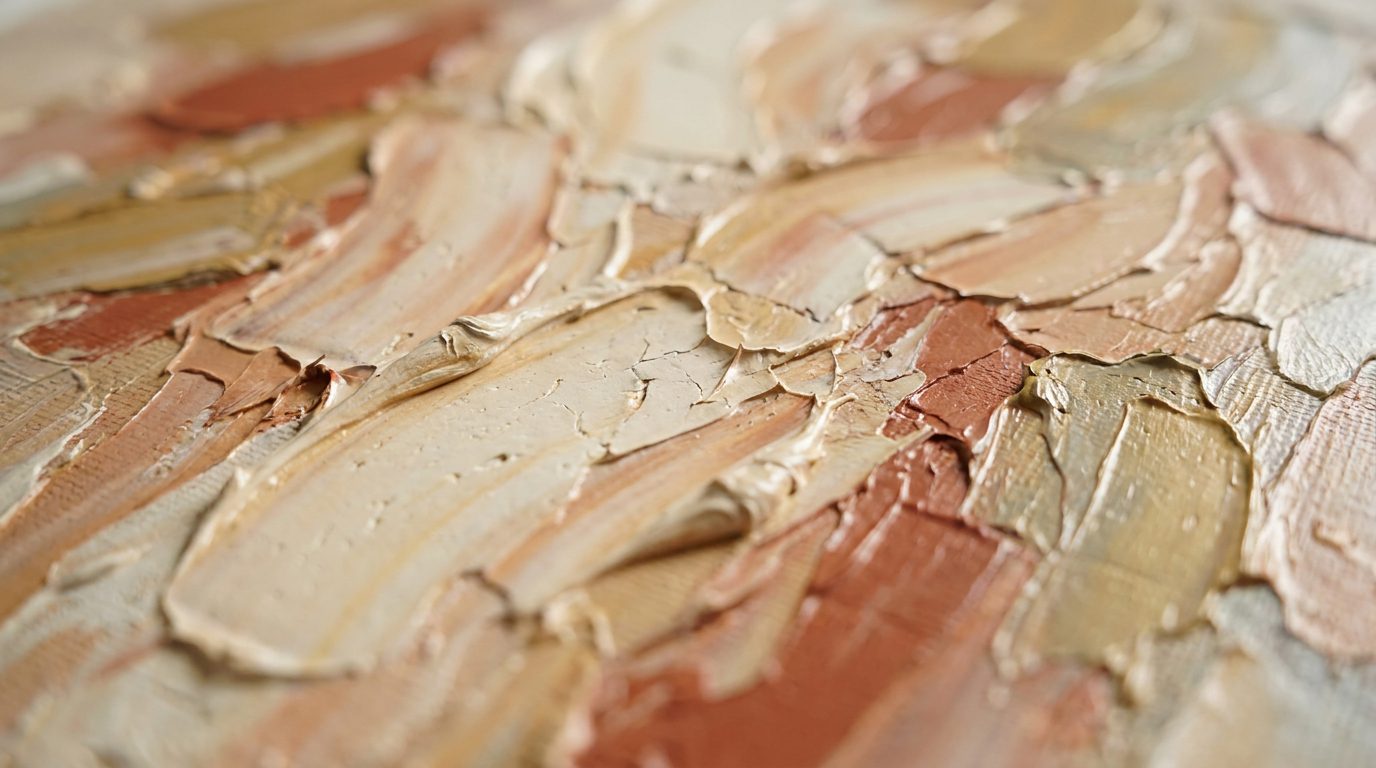
Impasto is a painting technique where thick paint is applied so it stands proud of the surface, leaving visible brushstrokes with depth and shadow. Printed impasto designs replicate this effect with high-contrast tonal layering — the result is a canvas that looks hand-painted from a few feet away. Warm earth tones (ochre, burnt umber, terracotta) dominate searches.
2. Plaster-look wall art
One of the biggest interior trends of the past two years, the plaster aesthetic channels Venetian plaster walls — smooth, slightly mottled, with the quiet depth of a material that has been hand-worked. Prints that replicate this look tend to be monochromatic (creams, warm whites, pale sands) and work beautifully in minimalist or Mediterranean-inspired rooms.
3. Limewash-effect art
Limewash is a centuries-old wall finish that produces a chalky, slightly translucent colour effect. Limewash-look prints translate this into art — soft, layered washes of colour with visible brushwork. Blues, sage greens, and dusty pinks are the dominant palette.
4. Resin-inspired art
Resin pouring produces fluid, organic patterns with glassy depth — and translating those patterns into print opens up a huge design space. Printed resin-look art captures the swirling, marbled quality without the mess or cost of actual resin. Geode-style designs are particularly popular in bathrooms and home offices.
5. Clay and ceramic panel prints
Hand-formed clay panels with relief patterns are a growing seller on craft marketplaces but are expensive to produce and ship. Printed versions that mimic the look of a hand-formed terracotta or pale clay panel — often with botanical or geometric relief patterns — hit a sweet spot of authenticity and accessibility.
6. Sand and grain texture art
Grain overlays and sand-texture backgrounds add a raw, organic quality that feels distinctly different from sleek digital illustration. This style works well for typography prints, botanical art, and abstract compositions — the texture gives the design visual weight without adding visual noise.
7. Woven textile art prints
Woven wall hangings have been on trend for years, but actual woven pieces are hard to standardise for POD. Printed versions that capture the look of macramé, rattan weave, or natural linen textile are a practical alternative. Prints on canvas with a visible weave surface reinforce the textile illusion powerfully.
8. Concrete and industrial texture prints
Raw concrete, brushed steel, and industrial patina aesthetics have a committed following in urban apartments and home offices. Printed concrete-look art in muted greys with visible aggregate texture or formwork marks appeals to the same buyer who reaches for an exposed-brick wallpaper.
9. Crinkled paper and mixed-media collage
Trompe-l'oeil prints that look like torn paper layers, collaged textures, or crinkled material bring a playful, tactile quality. These work especially well in creative studios, children's rooms, and gallery-wall contexts where visual variety is a feature.
Custom wall art from Gelato
Turn your textured designs into print-ready wall art. Gelato offers canvas prints, fine-art prints, and framed prints fulfilled locally in 32+ countries — fast shipping, no minimum order.
Create your wall art →More trending textured wall art styles
10. Foil and metallic-effect prints
While not texture in the tactile sense, metallic foil-effect prints create a visual texture through light interaction. Gold, silver, and copper foil-look designs catch the light differently throughout the day, giving a static print a sense of dynamism. Popular for glamorous bedroom décor.
11. Stone and marble-look art
Marble-effect art has been mainstream for several years, but the trend is evolving toward rawer stone textures — travertine, slate, and rough-hewn granite patterns that feel more grounded and less polished than earlier iterations.
12. Bark and wood-grain prints
Printed designs that feature extreme close-ups of wood grain, bark texture, or reclaimed timber cross-sections bring the biophilic interior trend into framed art. These work in living rooms, kitchens, and hallways, and have strong appeal to buyers decorating with Japandi or Wabi-sabi aesthetics.
13. Embossed-look botanical prints
Flat botanical illustration has been ubiquitous for a decade. The textured evolution is botanical art designed to look embossed or relief-pressed — as if the stems and leaves were pressed into thick paper or clay. Soft, earthy palettes dominate this style.
14. Rust and oxidised metal prints
Prints that capture the aesthetic of rusted iron, oxidised copper, or patinated bronze are finding homes in industrial-chic and transitional interiors. The colour palette — burnt orange, verdigris green, deep brown — is inherently rich and works beautifully as a large-format statement piece.
15. Linen and raw canvas texture art
When you print a design that deliberately incorporates or highlights the canvas weave as a design element — rather than printing on top of it — you create a depth that feels much more expensive than a standard giclée print. Monochrome or limited-palette designs work best for this approach.
16. Terrazzo-inspired prints
Terrazzo — the speckled composite flooring material — has translated into a strong graphic print trend. Terrazzo patterns offer a textured, multi-tonal quality that reads as upscale without being overly serious. It works in kitchens, bathrooms, and children's rooms, broadening the addressable market.
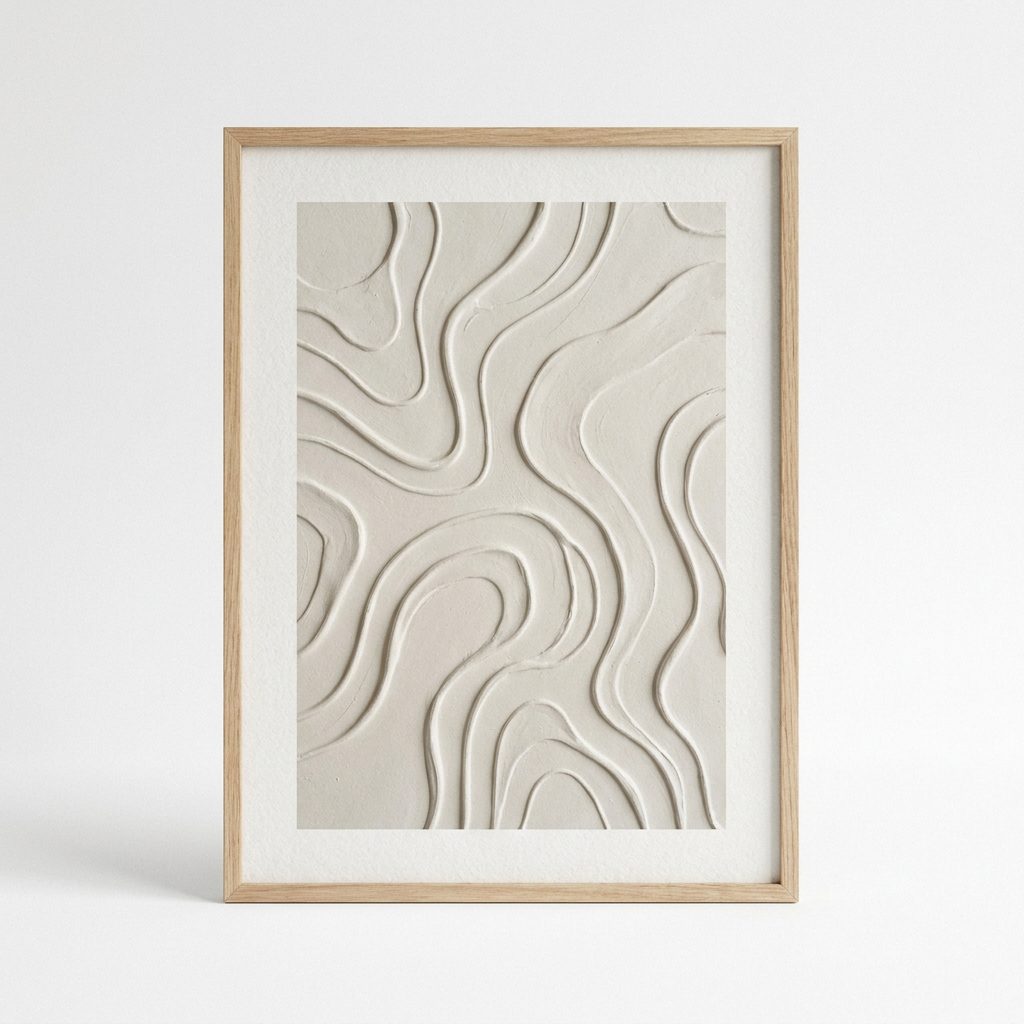
17. Topographic and contour-line art
Topographic map prints — concentric contour lines representing land or water — give a flat print a strong three-dimensional quality. The layered lines read as physical elevation, creating a textured visual experience from a completely flat surface.
18. 3D sculptural-look wall art
Perhaps the boldest category: prints designed to look like actual sculptural objects — draped fabric, folded paper, interlocking geometric forms — that appear to project from the wall. Hyper-realistic rendering makes these extremely striking as single statement pieces.
Textured wall art buyer's guide
Whether you're decorating your own home or helping a customer choose, a few practical considerations make a big difference.
Choosing the right size
For a single statement piece above a sofa or bed, aim for a width that is roughly two-thirds of the furniture width. A 120 cm wide sofa suits an 80 cm print. For gallery walls mixing multiple textured pieces, keep the largest piece at 50–60 cm wide and build around it with smaller formats.
Surface and substrate
Canvas is the best substrate for printed textured art because the woven surface adds a genuine tactile element that reinforces the designed texture. Rolled canvas (no frame) is the most cost-effective option; stretched canvas on a hardwood frame gives a finished, gallery look. Fine-art paper prints in a frame work well for plaster-look, grain-texture, and topographic designs.
Colour and room context
Textured wall art reads best against flat, neutral walls. If your walls already have a bold colour or pattern, opt for a monochromatic textured piece that adds depth without competing. Conversely, a bold-coloured textured print (like a rust-orange impasto piece) can anchor a neutral room powerfully.
For room-specific ideas, see our dedicated guide to bathroom wall art ideas — bathrooms are one of the best rooms for a single bold textured piece because the smaller wall space justifies higher spending per piece.
Framed vs unframed
Framed prints signal a more polished, considered look. A simple white or natural wood float frame keeps the focus on the art. Unframed canvas has a rawer, more contemporary feel — particularly appropriate for impasto-look and concrete-texture designs where removing the frame reinforces the material quality.
How POD sellers can win with textured wall art
Textured wall art is an excellent niche for print-on-demand sellers for three reasons: high perceived value (customers pay more for texture), strong repeatability (buyers who love one textured piece often buy coordinating pieces), and genuine design differentiation (texture separates your listing from flat-illustration competitors in search results).
Design tools and techniques
Use high-resolution grain and noise overlays to add texture to digital illustrations — Procreate, Photoshop, and Affinity Photo all have excellent texture brushes.
Layer multiple blending-mode textures (multiply, overlay, soft light) rather than applying a single texture stamp — the result is far more convincing.
For impasto effects, use thick-stroke brushes in Procreate's 'Oil Paint' or 'Gouache' sets with pressure sensitivity enabled.
For plaster and limewash looks, start with a base of uneven colour washes, then add a linen-grain overlay at 10–20% opacity.
Export at 300 DPI minimum for any canvas print — texture detail is lost at lower resolutions.
Positioning and pricing
Position textured prints as an upgrade from standard art prints — not just 'a print' but 'a textured canvas' or 'a plaster-look art piece'. The language signals premium quality and justifies a higher price point. Sellers on Etsy who explicitly describe texture in their titles typically convert at a higher rate for the same design.
For a broader look at building a profitable POD store, see our Etsy print-on-demand guide — it covers pricing strategy, SEO, and listing optimisation in detail.
Coordinating collections
Buyers of textured art skew toward multiple-piece purchases — a matching diptych or triptych in the same texture style converts well. Consider releasing your textured designs as coordinated sets of two or three pieces at slightly discounted bundle pricing.
How to hang and display textured wall art
A few display principles that apply specifically to textured and texture-simulating art:
Avoid direct harsh overhead lighting — it can flatten a texture-look print. Side lighting (wall sconces, floor lamps at an angle) creates micro-shadows that enhance the texture illusion.
Leave breathing room. A textured piece needs space around it — don't crowd it with other objects. A large plaster-look canvas above a sofa works best with nothing else on that wall.
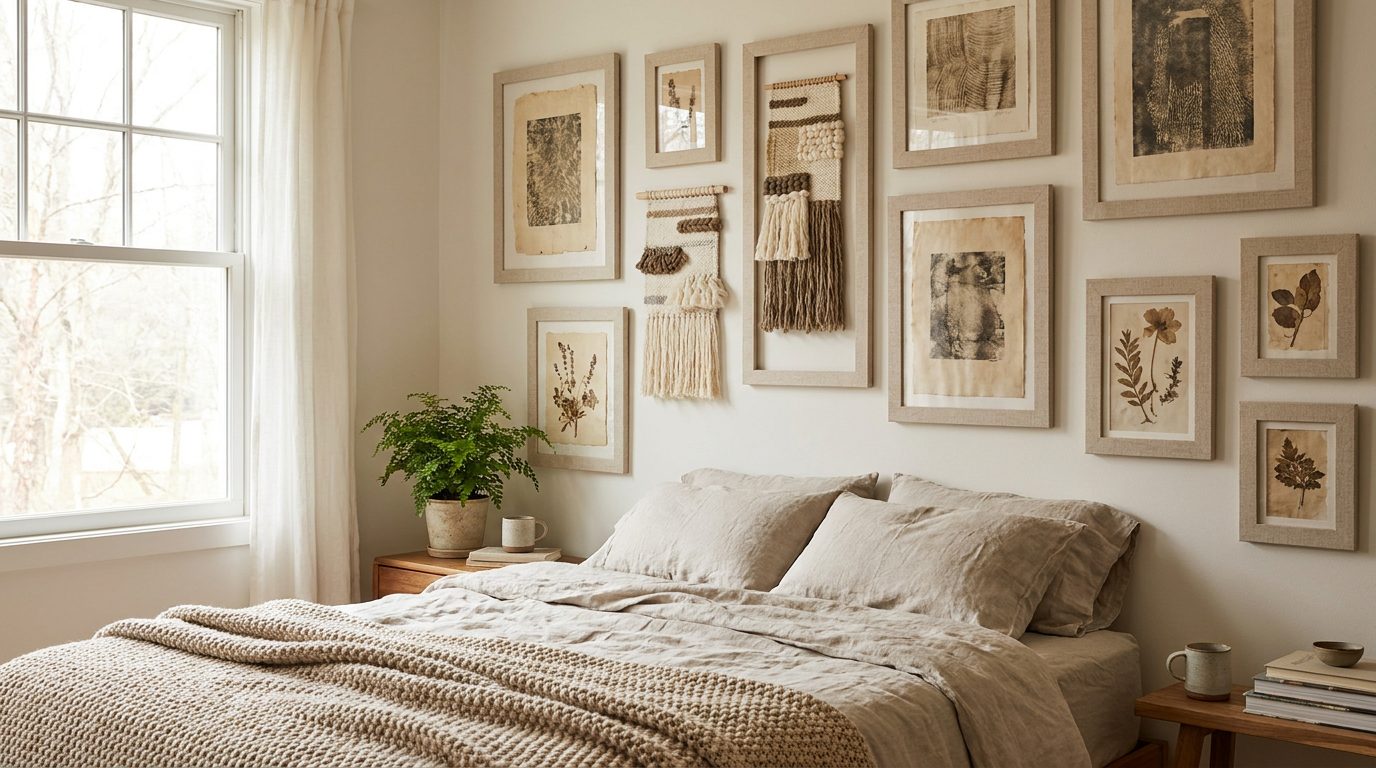
In gallery walls, mix scales. A large textured centrepiece with smaller supporting pieces in the same palette reads as deliberate and designed, not accidental.
For woven textile prints, consider hanging on a wooden dowel rather than in a frame — it reinforces the textile aesthetic and creates a slight soft drape.
Start selling textured wall art today
Gelato's global fulfilment network lets you offer canvas prints and fine-art prints to customers worldwide — no stock, no upfront cost, fast local delivery.
Final thoughts
Textured wall art sits at the intersection of interior design's two dominant currents in 2026: the desire for warmth and materiality, and the pragmatic preference for affordable, easily replaceable décor. Printed textured art delivers both — and for POD sellers, it's a category where strong design genuinely wins.
Whether you're a buyer looking for the right piece for your living room or a seller building a collection that stands out in search results, the 18 styles above give you a roadmap. Start with one style that resonates, execute it at high quality, and build from there. For more wall art inspiration, browse our guides to living room wall art ideas and abstract wall art ideas.