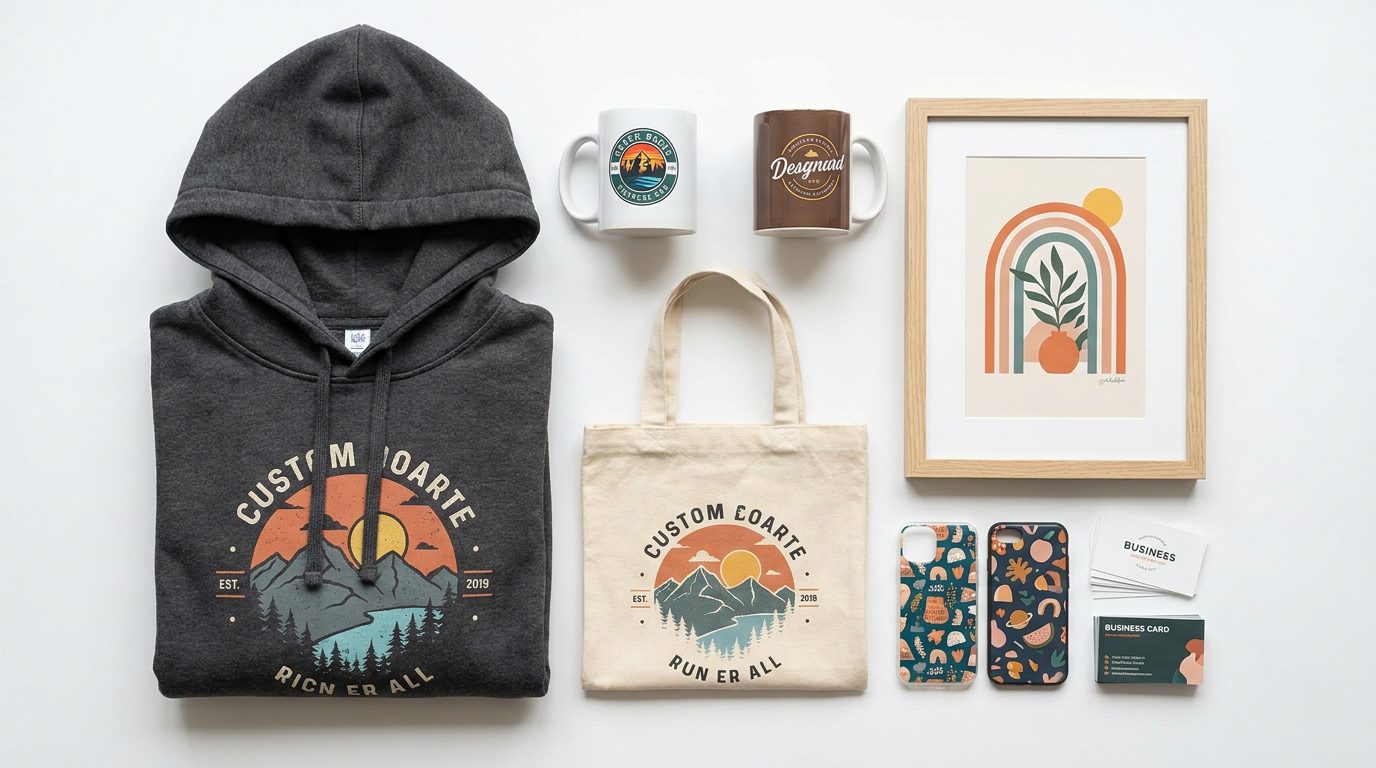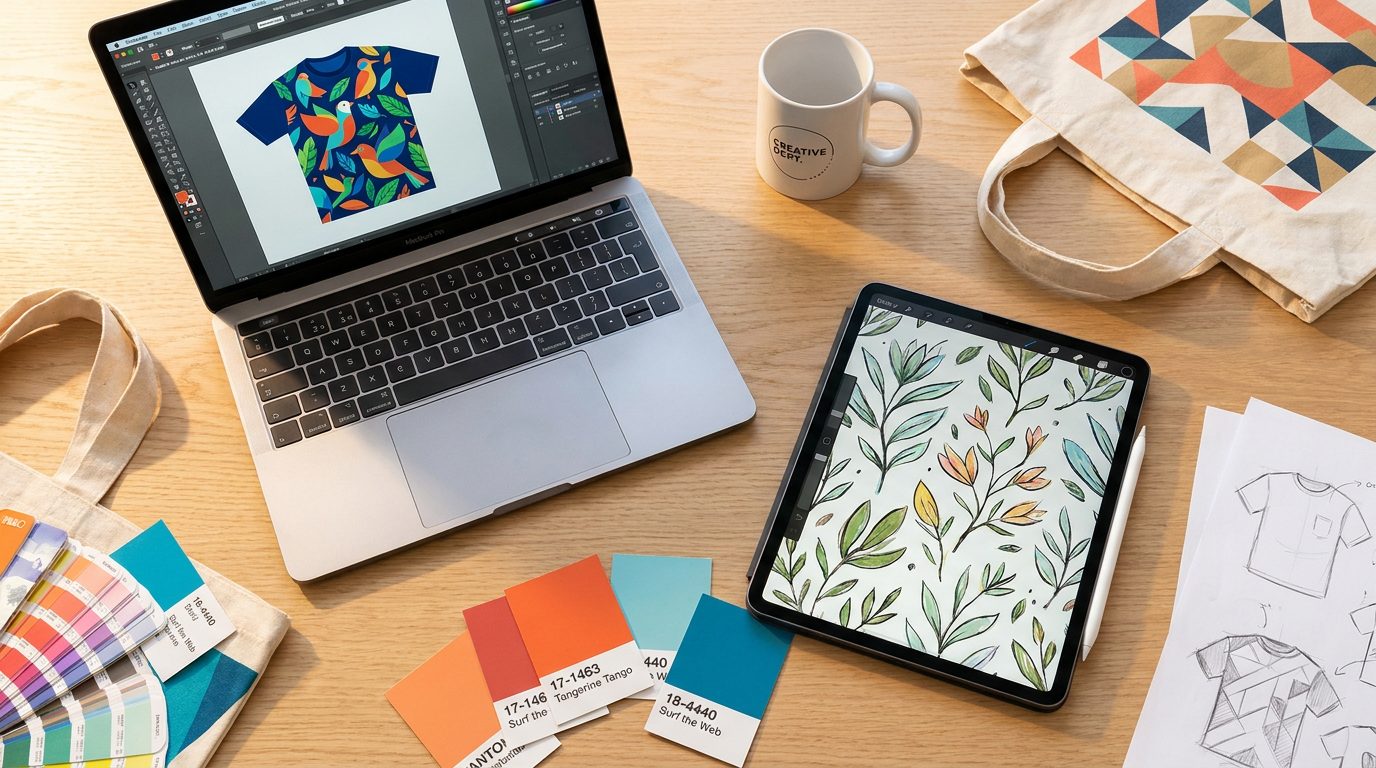

A grandmother in Montreal creates a photo book filled with family memories for her daughter, who has just welcomed a new baby in Barcelona. She carefully arranges the photos, writes heartfelt captions, previews every page, and clicks 'Order.'
To her, the experience feels beautifully simple.
Behind that single click, however, hundreds of decisions happen automatically. Images are validated, print-ready files are generated, manufacturing instructions are created, the order is routed to the most appropriate production facility, and the finished product is printed, packaged, and delivered — all without manual intervention.
This is the new reality of personalized commerce.
Consumers no longer see personalization as a premium feature. They expect products to reflect their memories, identities, and experiences while also expecting fast delivery, competitive pricing, seamless digital experiences, responsible production, and complete confidence that their personal content is secure. Increasingly, they also expect the brands they buy from to demonstrate a genuine commitment to sustainability — not as a marketing message, but as an integral part of how products are made and delivered.
For brands, retailers, manufacturers, and print providers, this represents a fundamental shift. The competitive challenge is no longer simply offering personalized products. It is building the infrastructure capable of delivering millions of unique products efficiently, securely, sustainably, and profitably at scale.
- Personalization is now commerce infrastructure — not a feature. Every personalized order is a micro-manufacturing project requiring end-to-end automation.
- The real competitive advantage is invisible: the automation, workflows, security, and production intelligence that transform creative ideas into finished products.
- Intelligent automation allows brands to give customers complete creative freedom while maintaining production consistency, quality, and operational control.
- Distributed production routes orders to the nearest qualified facility, cutting shipping costs by 10–35%, reducing carbon emissions, and shortening delivery times.
- On-demand personalized production eliminates excess inventory. Print producers using intelligent workflow automation have cut waste from 41% to 10%.
- The future belongs to connected ecosystems — where personalization software, workflow automation, and distributed manufacturing operate as one integrated system.
Personalization has changed the rules of commerce
Traditional commerce was built around standardized products. A product was manufactured once, assigned a SKU, stored in inventory, and shipped repeatedly.
Personalized commerce breaks that model entirely.
Every order becomes its own production event. Every customer creates something unique. Every product requires different artwork, different production files, and potentially a different manufacturing location. There is no inventory waiting on a shelf. The supply chain begins only after the customer clicks 'Buy.'
In effect, every personalized order becomes a micro-manufacturing project.
That reality transforms what was once a straightforward e-commerce transaction into a highly coordinated workflow involving customer design, asset validation, production automation, manufacturing, fulfilment, logistics, and quality control. The customer never sees this complexity, and they shouldn't. But for the organizations delivering personalized products, managing that complexity has become one of the defining operational challenges of modern commerce.
The competitive advantage is becoming invisible
Many organizations continue to view personalization as a customer experience initiative. They invest in attractive design tools and engaging product configurators, believing creativity alone will differentiate them.
But as personalization becomes the norm, the customer experience is only the beginning.
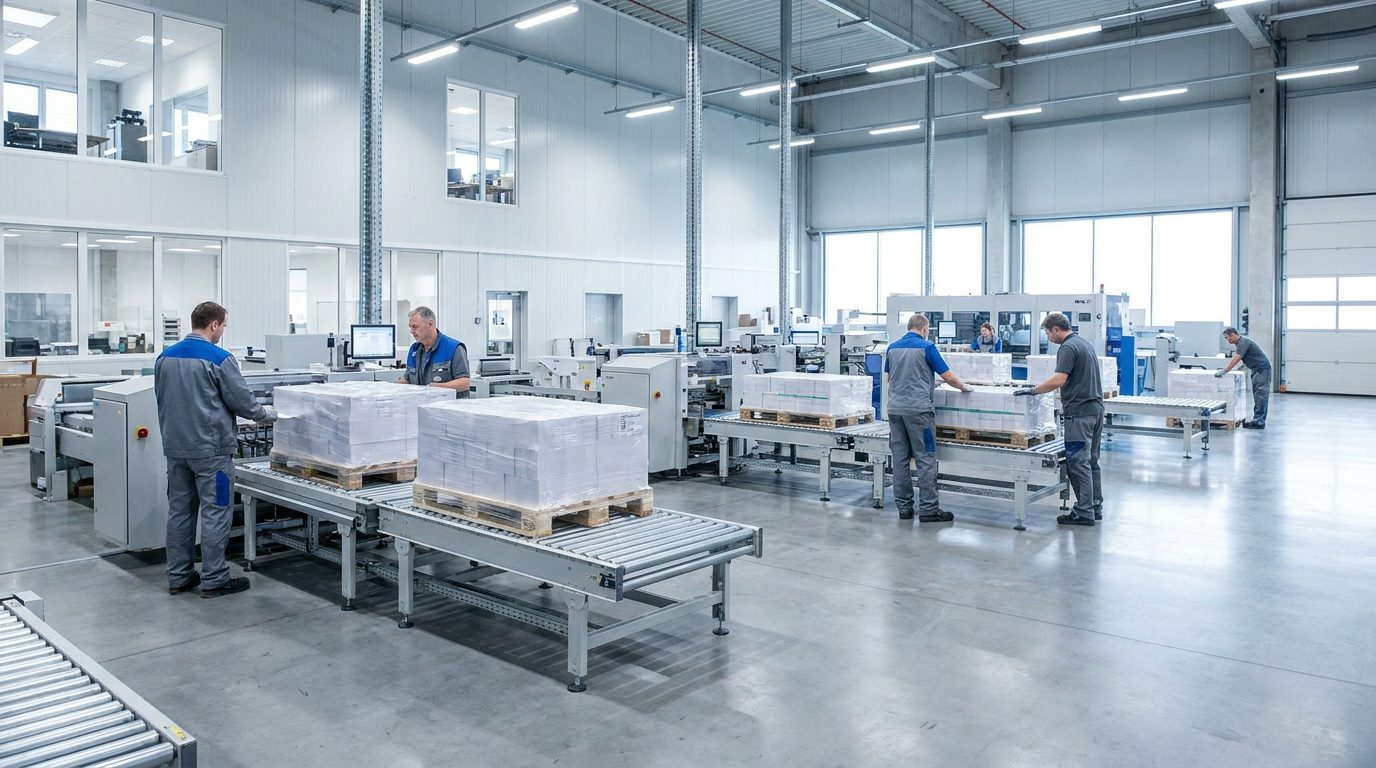
The real competitive advantage lies in everything customers never see: the automation, workflows, security, governance, production intelligence, and fulfilment systems that transform creative ideas into finished products.
Without this invisible infrastructure, operational complexity grows exponentially. Manual artwork preparation slows production. Errors increase. Shipping costs rise. Lead times become inconsistent. Margins shrink. As order volumes grow, complexity grows even faster.
Ironically, the more successful a personalization programme becomes, the more difficult it can be to operate without intelligent automation.
The organizations that will lead the next generation of personalized commerce will not necessarily offer the largest catalogue of customizable products. They will build the operational foundation capable of delivering every unique order consistently, securely, efficiently, and sustainably.
Automation makes scale possible
Today, automation is what makes personalization possible at enterprise scale.
Every personalized order requires artwork validation, image optimization, file generation, production instructions, quality controls, routing decisions, and manufacturing coordination. Performing these tasks manually is simply not sustainable when thousands — or millions — of unique orders are involved.
Intelligent automation allows organizations to give customers complete creative freedom while maintaining production consistency, operational control, and predictable quality.
AI increasingly strengthens these workflows, validating artwork, enhancing image quality, and supporting production decisions at a speed and scale no manual process can match.
Automation also creates something less tangible, but equally valuable: trust.
Customers entrust brands with deeply personal content: family photographs, children's images, milestone celebrations. In personalized commerce, trust is not built solely through customer service. It is built into the infrastructure itself.
Manufacturing is moving closer to the customer
Once a personalized order has been created, another question immediately follows: where should it be produced?
Historically, centralized manufacturing answered that question simply. Products were made in one location and shipped across regions or continents.
That approach is becoming increasingly difficult to justify.
Consumers expect shorter delivery times. Shipping costs continue to rise. Businesses face ongoing supply chain disruptions while working toward ambitious sustainability goals.
Distributed production offers a different model.
Rather than shipping products long distances, manufacturing is intelligently routed to qualified production partners located as close as possible to the final customer. Producing locally shortens delivery times, cuts shipping costs by 10–35%, lowers carbon emissions, and improves supply chain resilience. With local production available, most orders no longer need to cross a border at all.
The grandmother's photo book no longer needs to travel across the Atlantic. It can be produced near its destination and delivered within days instead of weeks.
Distributed manufacturing is not simply a logistics strategy. It is becoming a core component of scalable personalized commerce.

Sustainability is a business strategy
For many organizations, sustainability has evolved from a corporate responsibility initiative into a business imperative.
Personalized commerce presents a unique opportunity to align environmental responsibility with operational performance.
Unlike traditional manufacturing, personalized products are produced on demand, eliminating the need for excess inventory and reducing waste associated with unsold products. The impact is measurable: print producers using intelligent workflow automation have cut waste from 41% to 10% of production.
Consumers, regulators, and investors are all raising expectations around environmental performance. Businesses that embed sustainability into their operations — rather than treating it as a separate initiative — meet those expectations while protecting margins.
Sustainability is no longer a trade-off. Increasingly, it is the natural outcome of intelligent automation and distributed production.
Connected infrastructure is the future
The greatest opportunity emerges when design automation and distributed production operate as one connected ecosystem.
Modern personalization software platforms such as Mediaclip enable retailers and brands to embed sophisticated product personalization directly into their commerce experiences while automatically generating production-ready files and eliminating manual artwork preparation.
Global manufacturing networks such as Gelato extend that workflow by intelligently routing orders to qualified production partners located closest to the customer, improving delivery speed, operational efficiency, and sustainability. This is delivered through GelatoConnect — a platform that brings the same intelligence to the production floor, integrating procurement, workflow, and logistics into a single system and giving print businesses full control across the production lifecycle, from artwork intake to dispatch.
Individually, these technologies solve important challenges.
Together, they demonstrate something much larger: the future of personalized commerce depends on connected infrastructure rather than isolated tools.
Customer creativity, workflow automation, intelligent manufacturing, fulfilment optimization, security, accessibility, and sustainability are no longer separate initiatives. They are interconnected capabilities that determine whether personalization can scale successfully.
The future of personalized commerce
For years, organizations competed by adding personalization to their product catalogues.
The next generation of commerce will be defined by something very different.
Success will depend on building intelligent ecosystems capable of transforming millions of individual customer creations into secure, high-quality products delivered efficiently, sustainably, and close to where they are needed.
The organizations that lead this transformation will not simply deliver better customer experiences. They will build operations that are more resilient, more profitable, and more sustainable — ultimately demonstrating that business performance and environmental responsibility can reinforce one another rather than compete.
Consumers may never see the technology, automation, or manufacturing decisions happening behind the scenes.
They will simply experience personalization that feels effortless.
When the infrastructure disappears, the experience becomes memorable.
Personalization is no longer just another feature in digital commerce. It has become the infrastructure that powers modern commerce.
Explore GelatoConnect
GelatoConnect brings procurement, workflow, and logistics together in one platform — giving print businesses full control across the production lifecycle, from artwork intake to dispatch.
About the collaboration
This article is part of a collaborative thought leadership initiative between Mediaclip and Gelato, bringing together expertise in product personalization, workflow automation, distributed manufacturing, and global fulfilment.
Together, the two companies help retailers, brands, manufacturers, and print providers build scalable personalization ecosystems that enhance customer experiences, increase revenue, improve operational efficiency, and support sustainable growth.